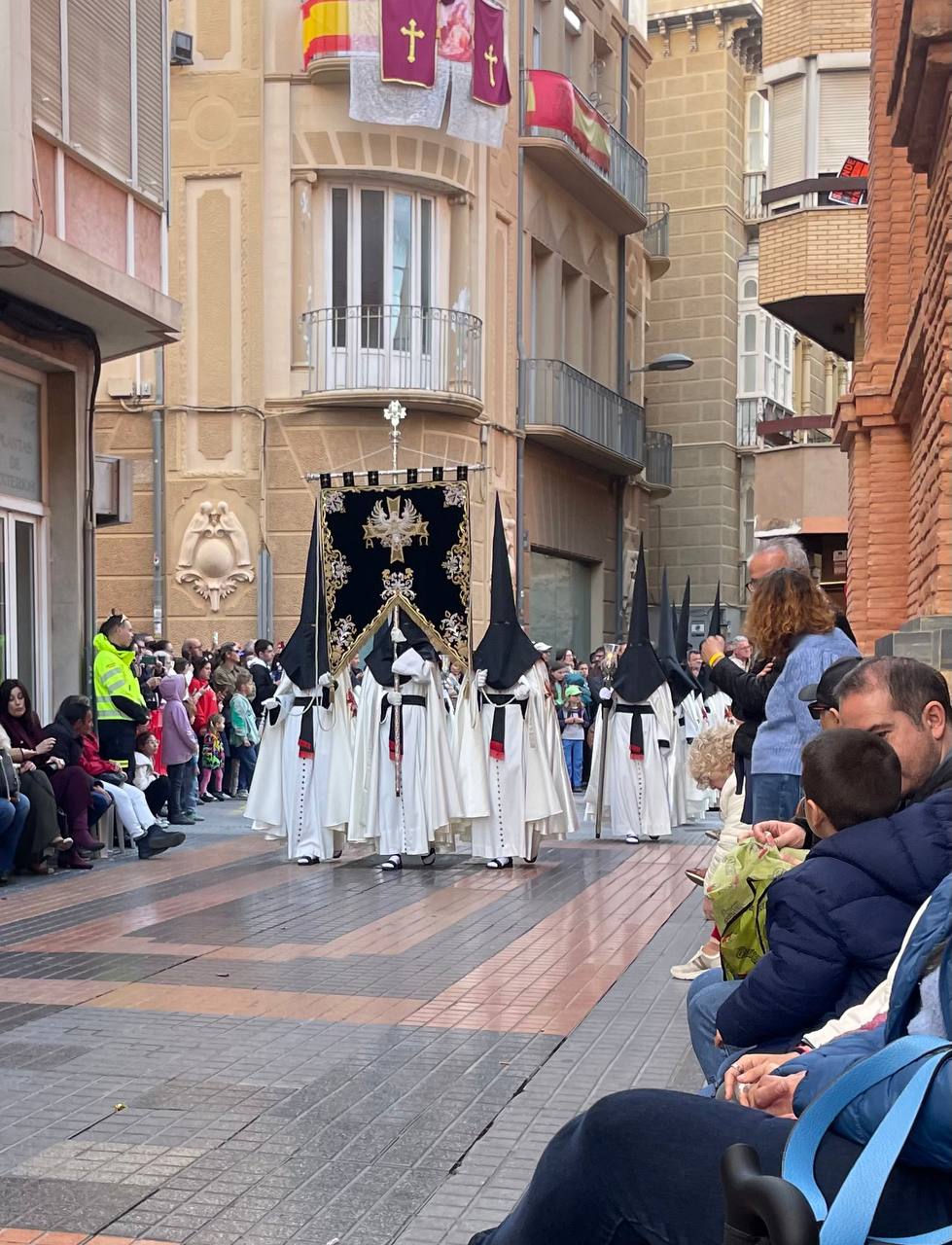
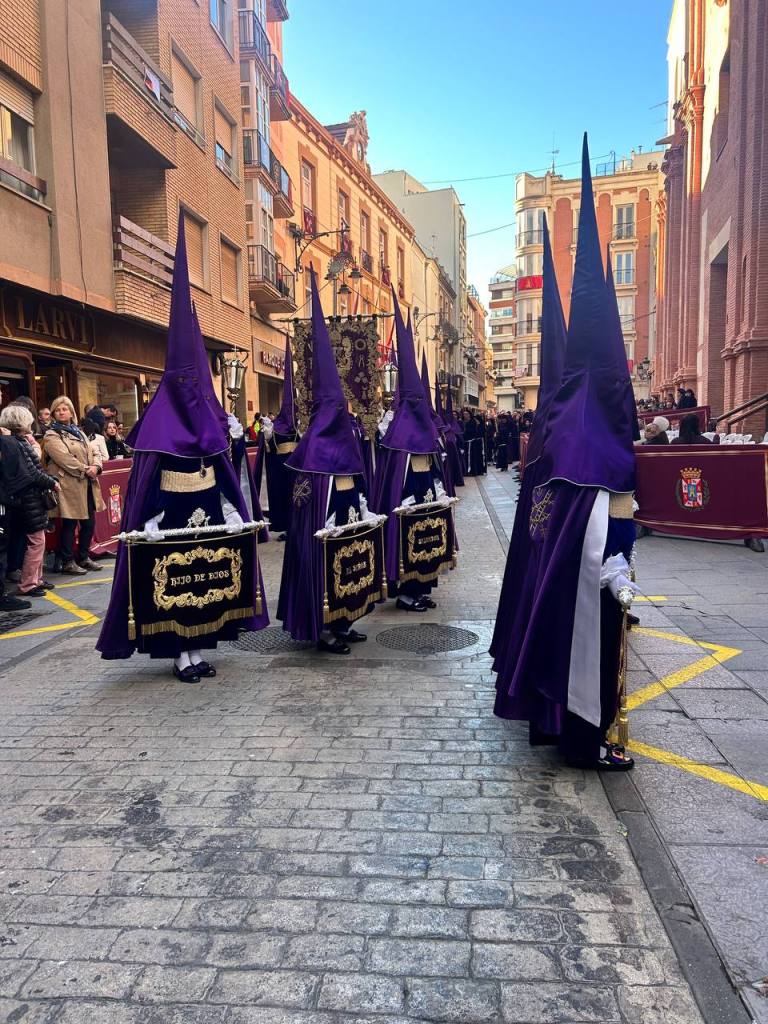
During Holy Week (Semana Santa), the streets of cities like Seville, Málaga, and Alicante come alive with deeply moving religious processions.
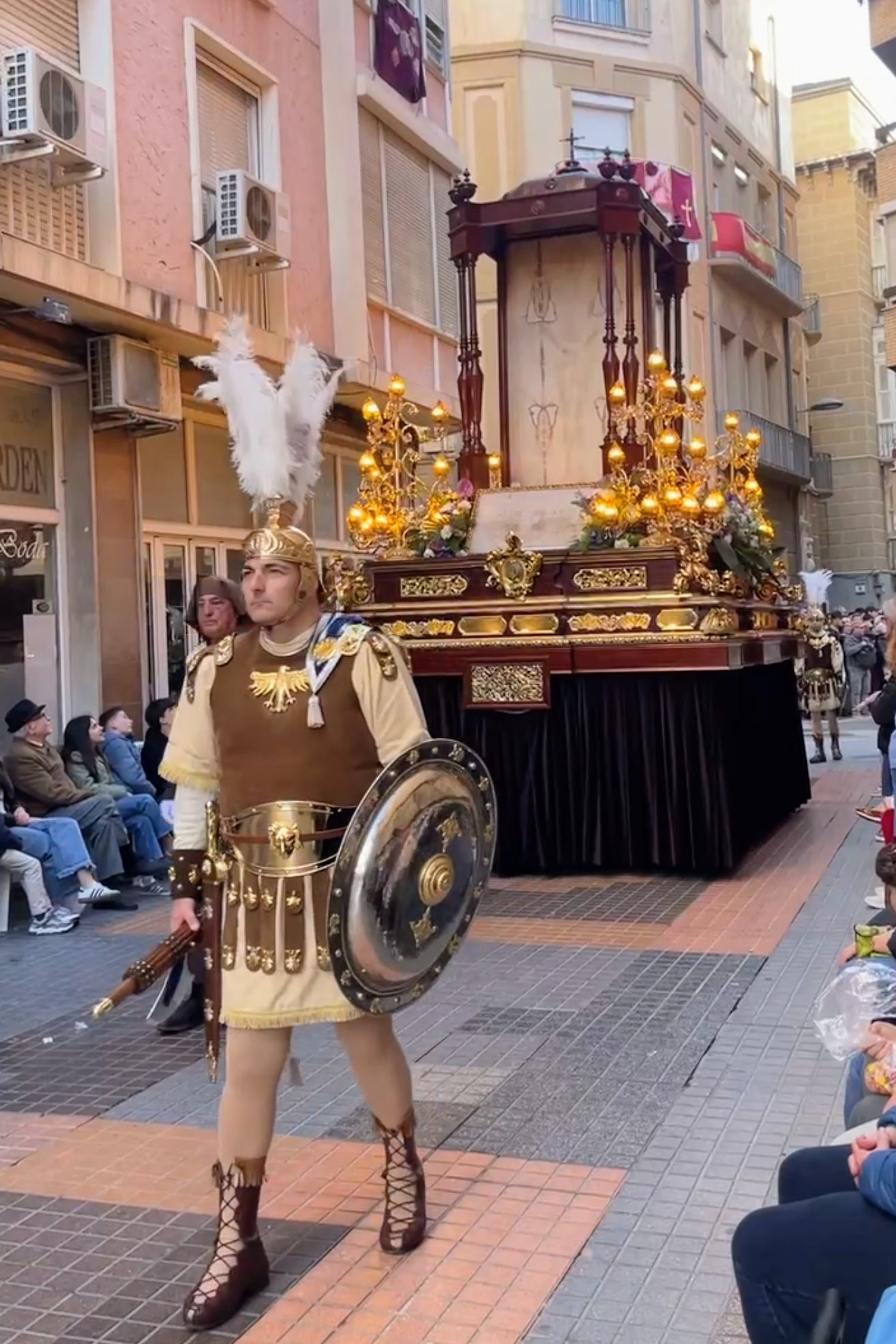
Religious brotherhoods, known as cofradías, take part in these events.
Participants carry:
- Statues of Jesus Christ and Virgin Mary
- Crosses, candles, and sacred symbol
These processions are a symbolic reenactment of the Passion of Christ—his suffering and crucifixion.
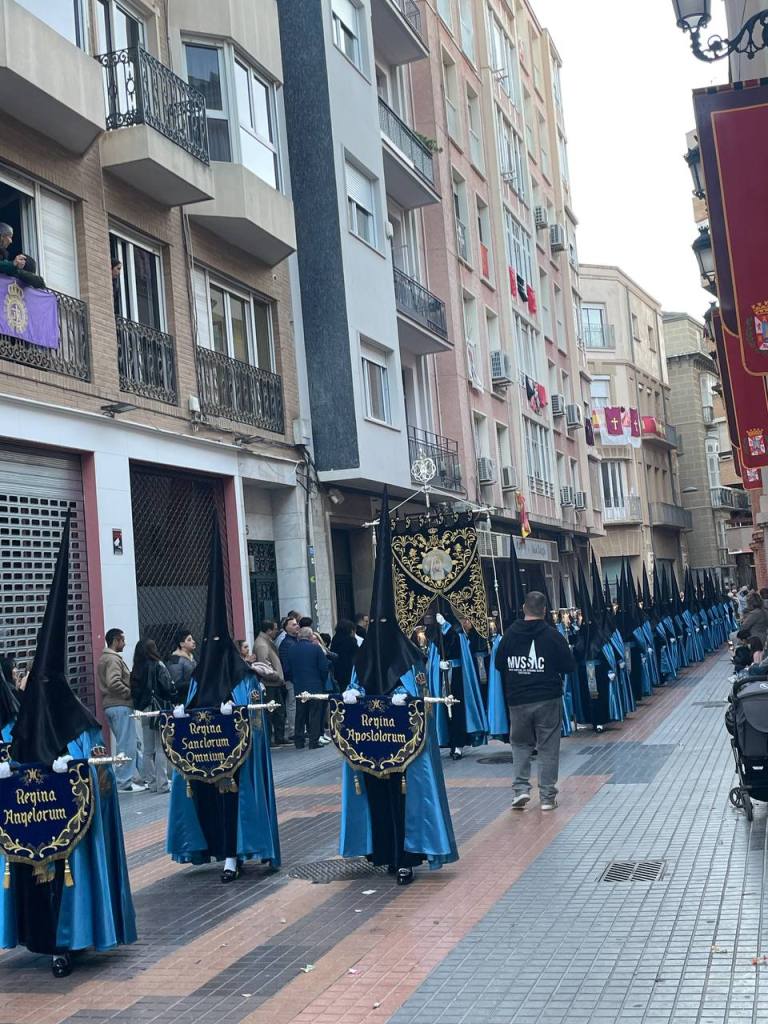
One of the most striking elements is the tall, pointed hoods called capirotes. While they may look unusual, their meaning is deeply spiritual:
- Repentance — the cone shape symbolizes the soul reaching toward heaven
- Humility and anonymity — the covered face reminds participants not to seek recognition for their faith
- Historical tradition — similar garments have been used in religious rituals since the Middle Ages
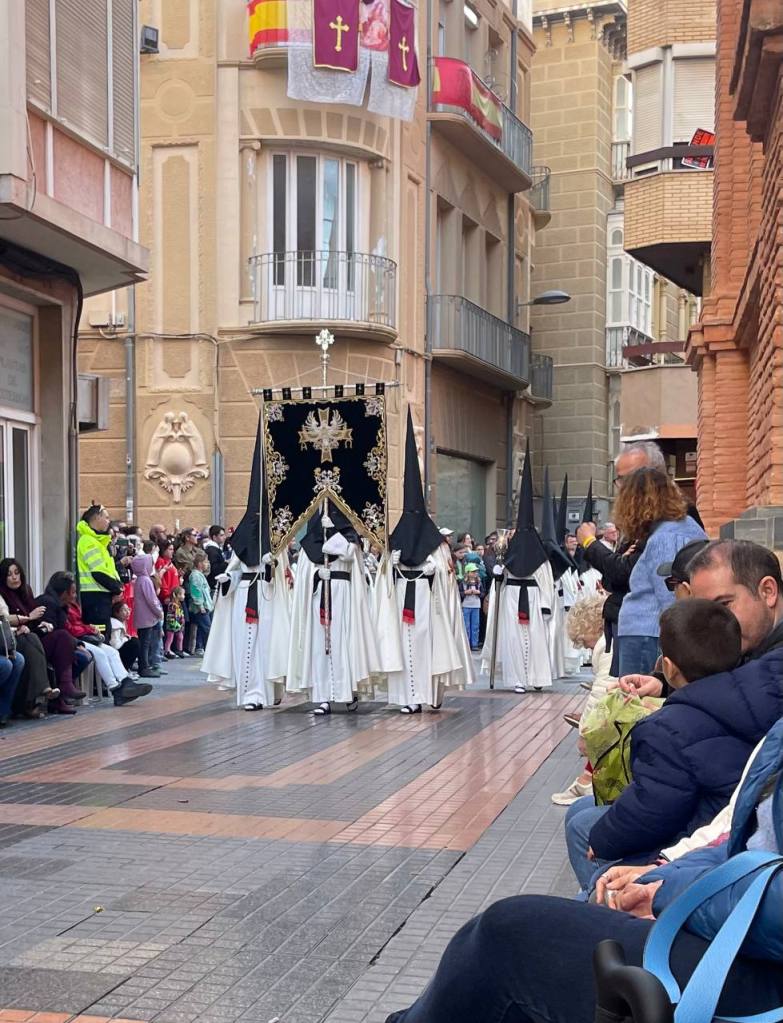
The people wearing these robes are called nazarenos. Some walk barefoot or carry heavy crosses as acts of devotion and atonement.
Although the appearance may remind some of the Ku Klux Klan, these Spanish traditions are much older and have a completely different, purely religious meaning.
Happy Easter !
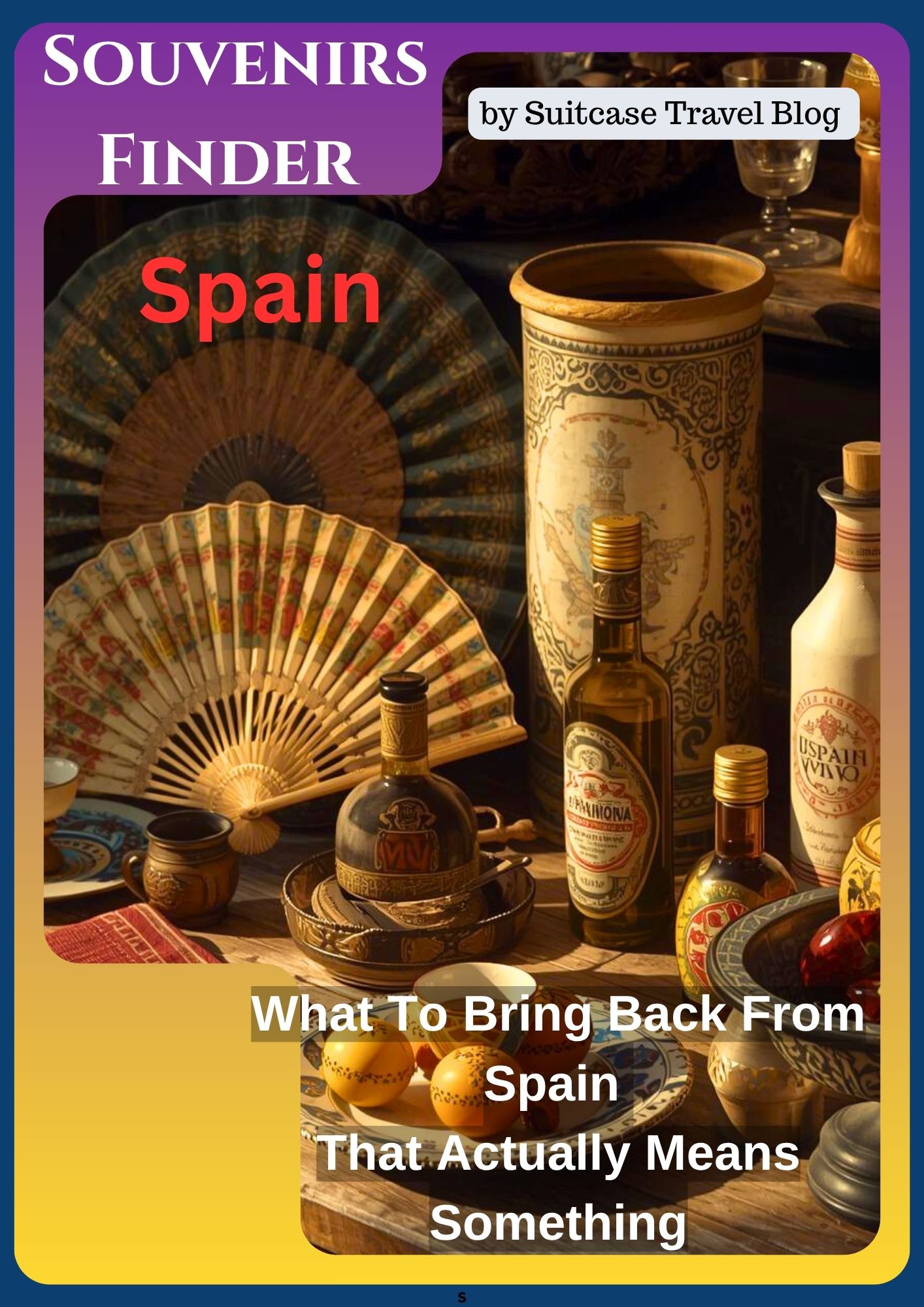
Planning to bring something back from Spain?
Most tourists end up buying the same generic souvenirs — and regret it later.
I created a simple guide to help you choose meaningful, local souvenirs and avoid tourist traps.
If you would like to contribute to my blog, you can please do so here
Connect with me on Social Media:
Discover more from Suitcase Travel Blog
Subscribe to get the latest posts sent to your email.


When we walked the Camino pilgrimage in Spain a few years ago, we did it around Easter time. We were also fortunate then to see the processions in some of the major cities – it was quite impressive. Thank you for the photos that bring back memories of our time in Spain.
LikeLiked by 1 person
I’m glad my post brought your memories back. It’s very interesting
LikeLiked by 1 person