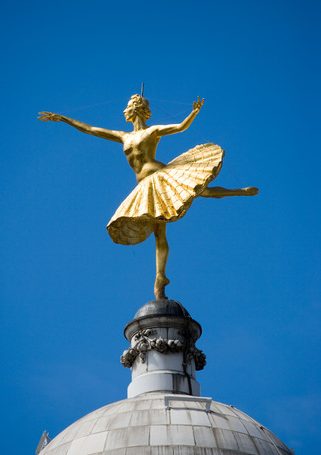
Walk down Victoria Street in London and, before you rush toward Victoria Station, look up.
High above the Victoria Palace Theatre, on its dome, stands a golden ballerina.
She seems impossibly light — one leg lifted, body stretched upward, frozen in a moment of dance.
Her name is Anna Pavlova — the famous Russian ballerina who became one of the greatest international stars of the early 20th century.
But the story of Pavlova is not simply a story about talent.
It is a story about extraordinary work, determination and a woman who took Russian ballet to audiences around the world.
From a poor childhood to the Imperial Ballet
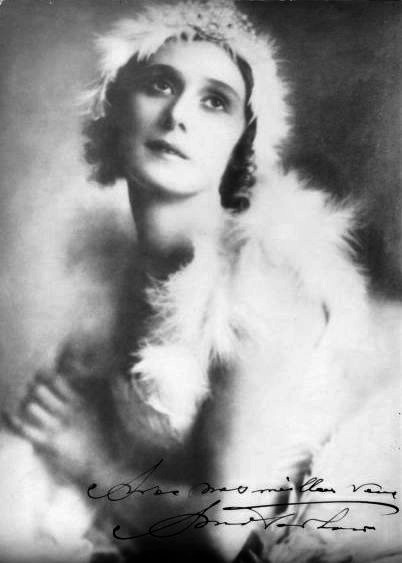
Pavlova was born into a poor family. When she was eight, her mother took her to see The Sleeping Beauty at the Mariinsky Theatre in St Petersburg.
The little girl was completely enchanted.
She decided she would become a ballerina.
Two years later, she was accepted into the Imperial Ballet School.
Her training was demanding. She studied with some of the most important teachers of the Russian ballet tradition, including Pavel Gerdt, Nikolai Legat and the famous Italian teacher Enrico Cecchetti. She worked continuously to perfect her technique.
In 1899, she graduated and joined the Imperial Ballet.
By 1906, she had reached the rank of prima ballerina.
But Pavlova wasn’t satisfied with simply being successful in Russia.
She wanted to dance….
EVERYWHERE
The ballerina who took ballet around the world
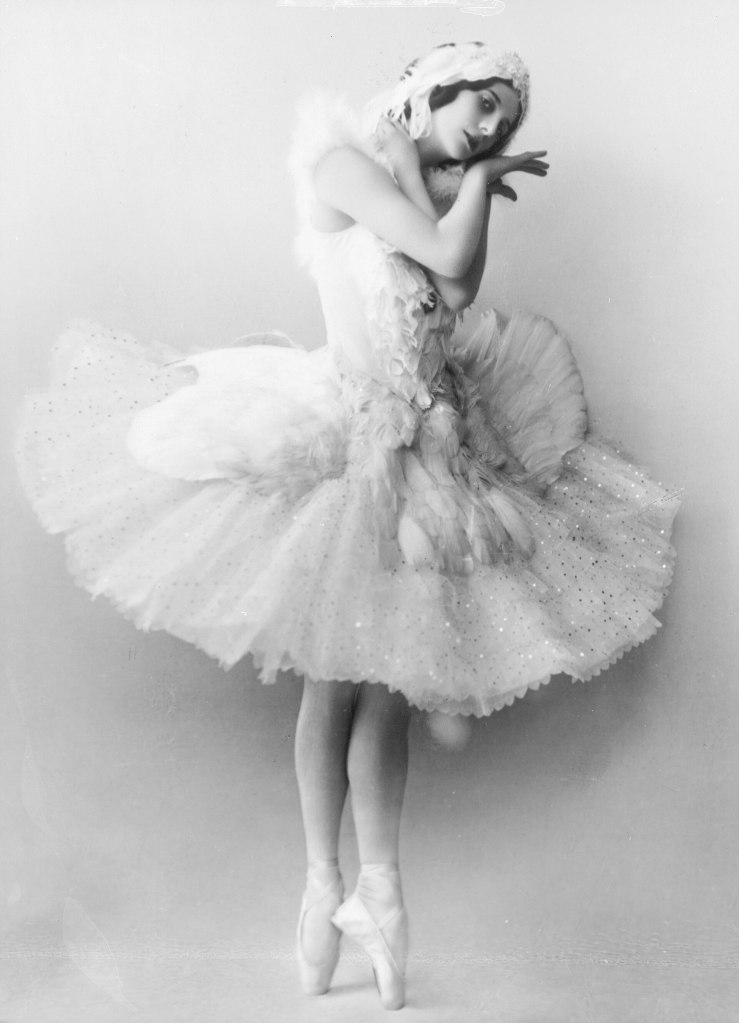
Pavlova briefly worked with Sergei Diaghilev’s Ballets Russes, dancing alongside some of the greatest artists of the era.
But she soon chose her own path.
She created her own company and began touring internationally.
And this was not the glamorous travel we imagine today.
Her company travelled enormous distances by ship, train and sometimes by difficult overland journeys. Pavlova performed constantly, often under demanding conditions, while also supervising her company and rehearsing.
She toured Europe, North America, South America, Asia, Africa and Australia.
The Royal Ballet School describes her as the most famous ballerina of her generation and notes that her company became an important training ground for younger dancers.
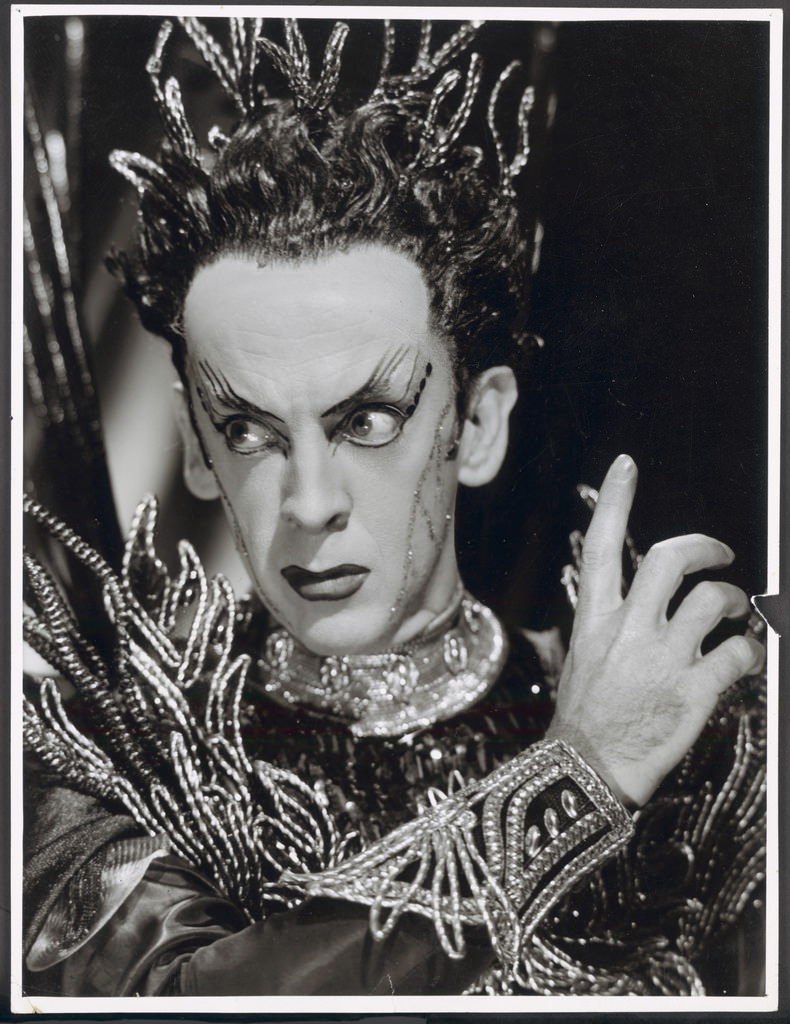
Among the young dancers whose lives crossed Pavlova’s was a 17-year-old Australian named Robert Helpman. In 1926, during Pavlova’s tour of Australia, his father arranged for him to join her company as a student apprentice. He trained with Pavlova’s dancers and spent months watching the legendary ballerina work. He would eventually become Sir Robert Helpmann — a major Australian dancer, choreographer and actor, and one of the leading male stars of Britain’s Sadler’s Wells Ballet.
So Pavlova wasn’t only performing.
She was creating the next generation of dancers.
Cultural Etiquette & Rituals Collection

Understand customs, avoid common mistakes, and feel confident in unfamiliar settings.
The Swan
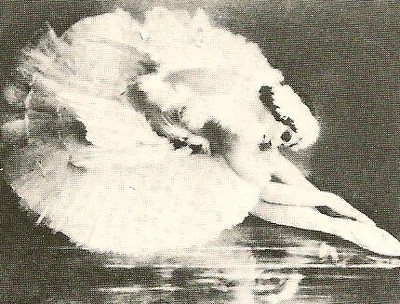
Her most famous dance was The Dying Swan, created for her in 1905 by the Russian choreographer Mikhail Fokine, to music by Camille Saint-Saëns.
It was only a few minutes long.
But Pavlova transformed those few minutes into one of the most recognizable images in ballet.
It is estimated that she performed the dance thousands of times. London Museum notes that she may have performed it at least another 4,000 times after its first presentation.
And there is a wonderfully Pavlova detail to the story.
At her London home, Ivy House in Golders Green, she kept swans.
Her favourite was named Jack.
She even had a pond in the garden.
Imagine that: one of the world’s most famous ballerinas returning home after a performance to watch her own swans gliding across the water.
And then came London
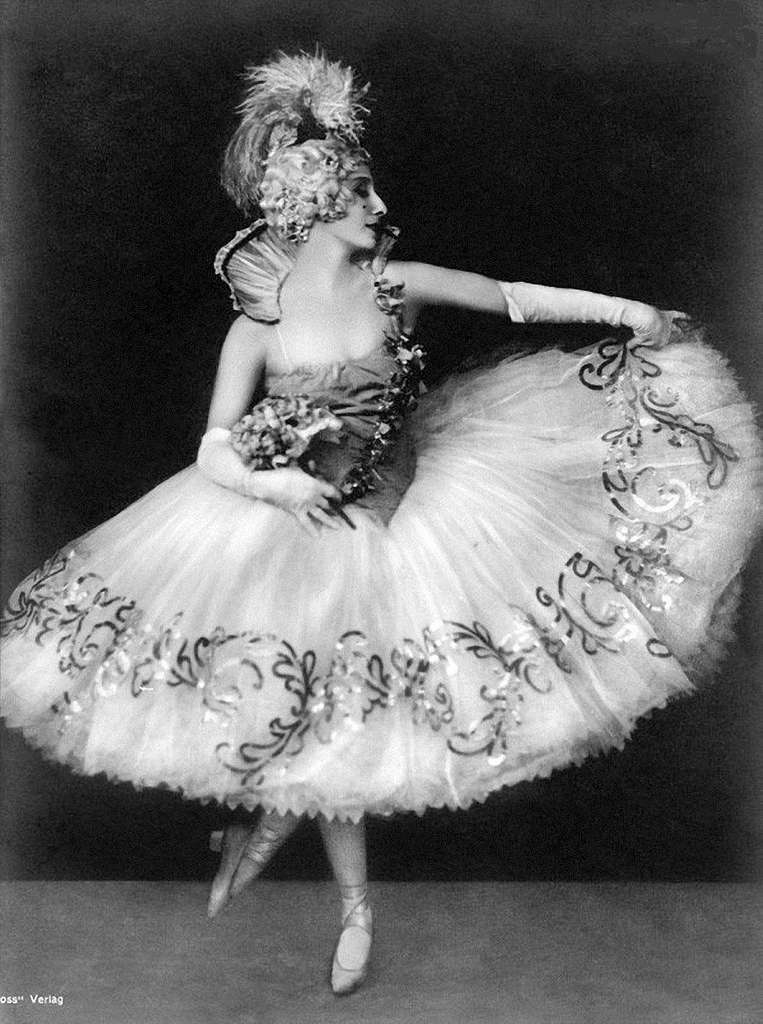
Pavlova first appeared in London in 1909–1910 and quickly became a sensation.
The theatre impresario Alfred Butt brought her to London, and her success was extraordinary.
In 1912, Pavlova bought Ivy House in Golders Green and made London her home.
She continued travelling the world, but London became her base.
And this brings us back to the golden ballerina on the roof.
Why is Anna Pavlova on top of a London theatre?
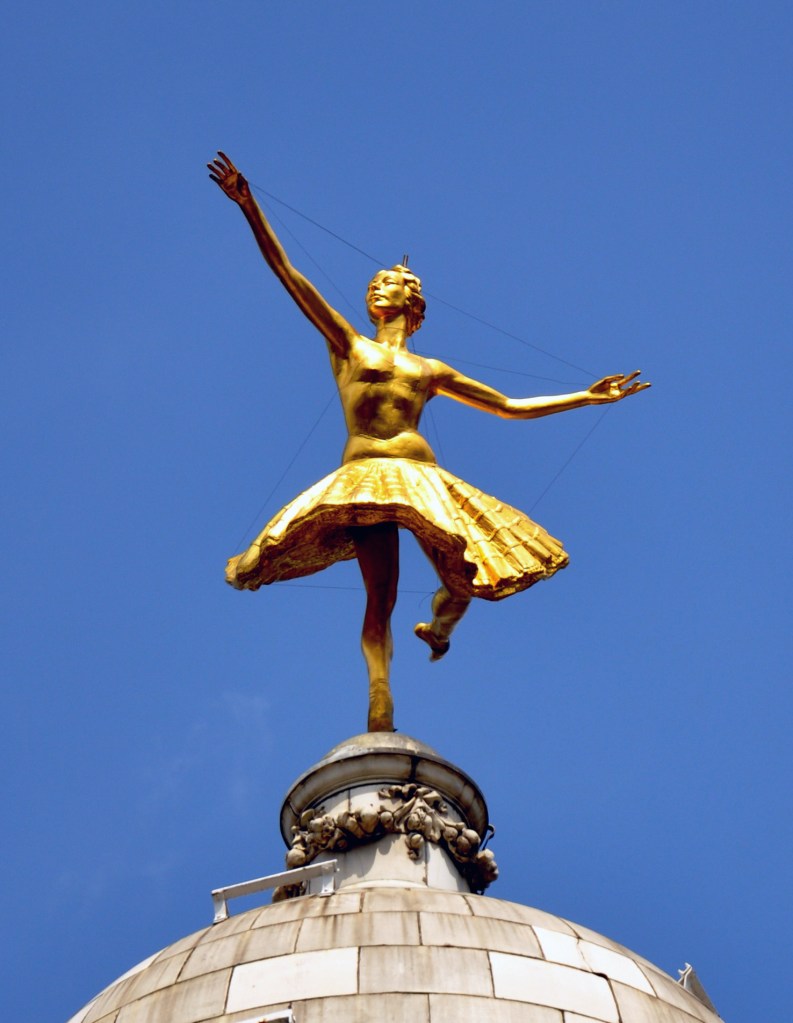
When the Victoria Palace Theatre opened in 1911, a gilded statue of Pavlova was placed on its cupola.
It was commissioned by the theatre’s owner, Alfred Butt, who had played an important role in bringing Pavlova to London.
She had also appeared at the theatre.
So the statue was a very public celebration of the Russian ballerina who had become one of London’s great theatrical stars.
There is even a charming story that Pavlova was extremely superstitious and didn’t like looking at the statue of herself when passing the theatre.
Then she disappeared
The original statue was removed during the Second World War for safekeeping.
But unlike many other statues that were eventually returned, Pavlova’s original was lost.
For decades, the theatre stood without its golden ballerina.
And then, in 2006, Pavlova returned.
The sculptor Harry Franchetti recreated the statue from photographs of the original, and the new gilded figure was installed on the theatre’s cupola.
And yes —She is still there today.
The Victoria Palace Theatre’s current history confirms that the replica remains on the cupola, and London Museum describes the gold statue of Pavlova as standing on top of the theatre today.
So when you walk through Victoria, look up.
That golden figure is more than an ornament on an old theatre.
She represents a Russian woman who came from a poor childhood, trained with extraordinary discipline, became a prima ballerina, built her own company, travelled the world, inspired generations of dancers and made London one of her homes.
The original statue disappeared.
But Pavlova came back.
And today, more than a century after she first captivated London audiences, the Russian ballerina is still dancing above the city.
Travel tip: You don’t need a theatre ticket to see her. The statue can be spotted from Victoria Street — so next time you’re walking through this part of London, remember to look above the crowds.
From the Ballet Stage to the Dessert Table
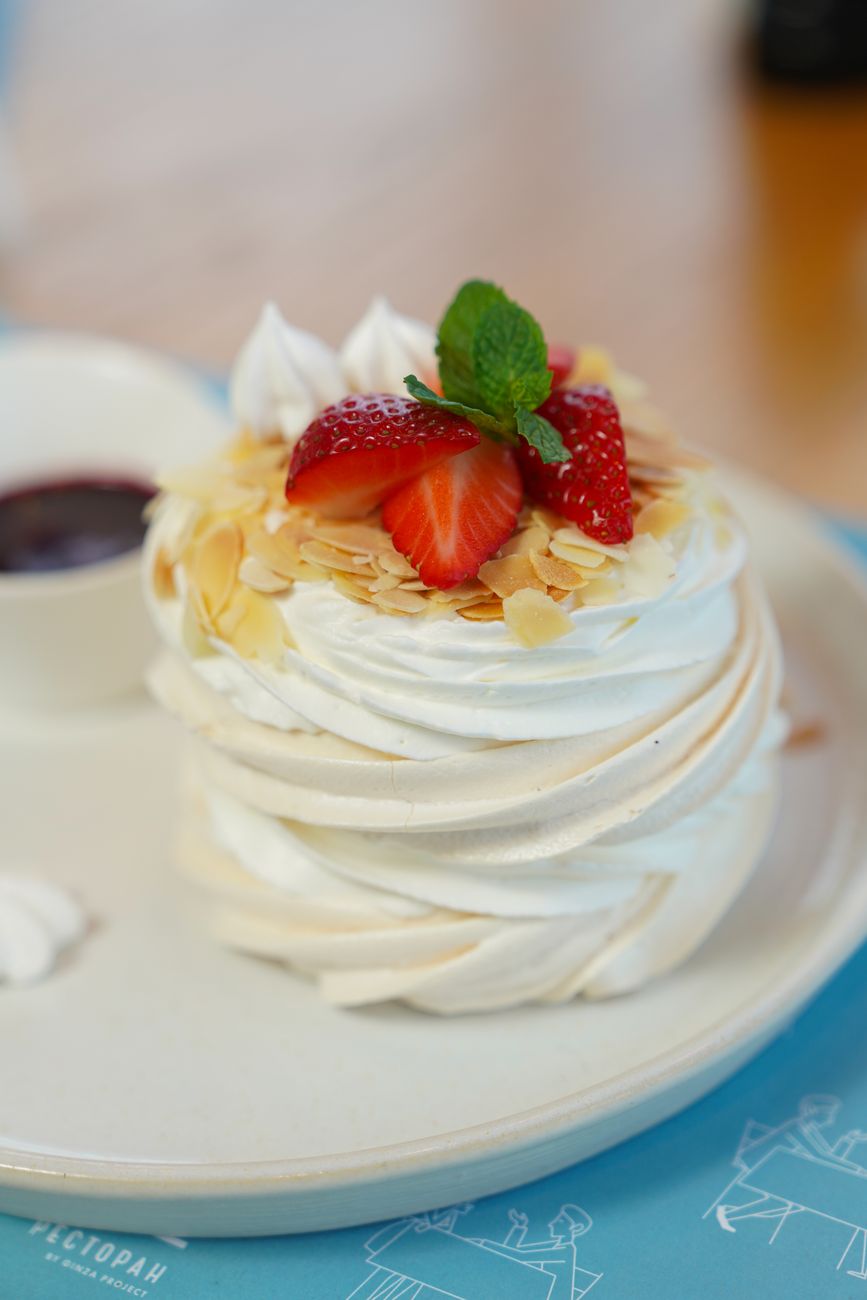
And if her name sounds familiar even if you don’t know ballet, perhaps you’ve met Anna Pavlova at the dinner table.
The famous Pavlova dessert — a cloud of meringue, cream and fruit — was named after the ballerina. Australia and New Zealand still debate where the dessert was invented, but there is no doubt about the inspiration: Anna Pavlova, the Russian dancer whose name travelled almost as far as her dancing did.
From the stages of St Petersburg and London to a dessert on tables around the world, Pavlova is still
EVERYWHERE
Souvenirs Finder Series

Thoughtful guides to meaningful souvenirs – what they symbolize, where to find them, and how to choose with confidence.
If you would like to contribute to my blog, you can please do so here
Connect with me on Social Media:
Discover more from Suitcase Travel Blog
Subscribe to get the latest posts sent to your email.


Enchanting story! I’ve seen her (the statue) and wondered about it, but never found out the story, so I’m very happy to have found such a rich history & story here. Wonderful!
LikeLiked by 1 person
Thank you so much! I’m glad I could share the story behind that beautiful statue. Sometimes the most interesting stories are right above us!
LikeLike