The New Year’s celebrations, with their fabulous, cheerful and kind atmosphere, are always the most magical times of the year.
Santa, the beloved figure in every nation, is the symbol of this wonderful holiday. But Santa goes by many names. He is also known as Saint Nicholas, Kris Kringle, Ded Moroz, Father Christmas, Saint Nick, and much more.
The modern character of Santa Claus is a prototype of Saint Nicholas, who was a Christian bishop of the maritime city of Myra (now Demre, Turkey).
According to legend, Saint Nicholas gave up all of his wealth to the ill and poor. He became known as the patron saint of businessmen, kids, singles, sailors, and students as a result of his enormous charity work. He was admired for all of his gifts, miracles, kindness, and generosity. In the end, the Santa Claus portrait was created.
The name Santa Claus originated from Dutch nickname, Sinter Klaas, a shortened form of Sint Nikolaas. (Dutch for Saint Nicholas)
The anniversary of his death, which occurs on December 6, is observed as the day of his feasting.
Usually, children and adults receive the desirable gifts on this day.
Of course, each country has its own version of the Christmas figure, along with a unique backstory, helpers, and traditional costumes.
Who they are and where do they live?
Let’s find out it.
Sinterklaas, Netherlands

Sinterklaas, also known as Saint Nickolas, is an admired figure for Dutch children.
Every year, Sinterklaas arrives in Netherlands with his helper Zwarte Piet. Thousands of kids are waiting for his arrival, lining up their shoes by the back door or chimney.
At night, Sinterklaas visits the homes of every kid and leaves sweets and generous gifts in the children’s shoes.
Traditional sweets are gingerbread men, spiced biscuits, dried fruits, marzipan and chocolate letters.
On December 5, the entire family gets together to celebrate the holidays and exchange gifts.
Christmas’s festive celebrations are on 25th and 26th of December. People spend two days with their family, playing games, watching movies and enjoying delicious food.
Santa Claus, Canada and The United States
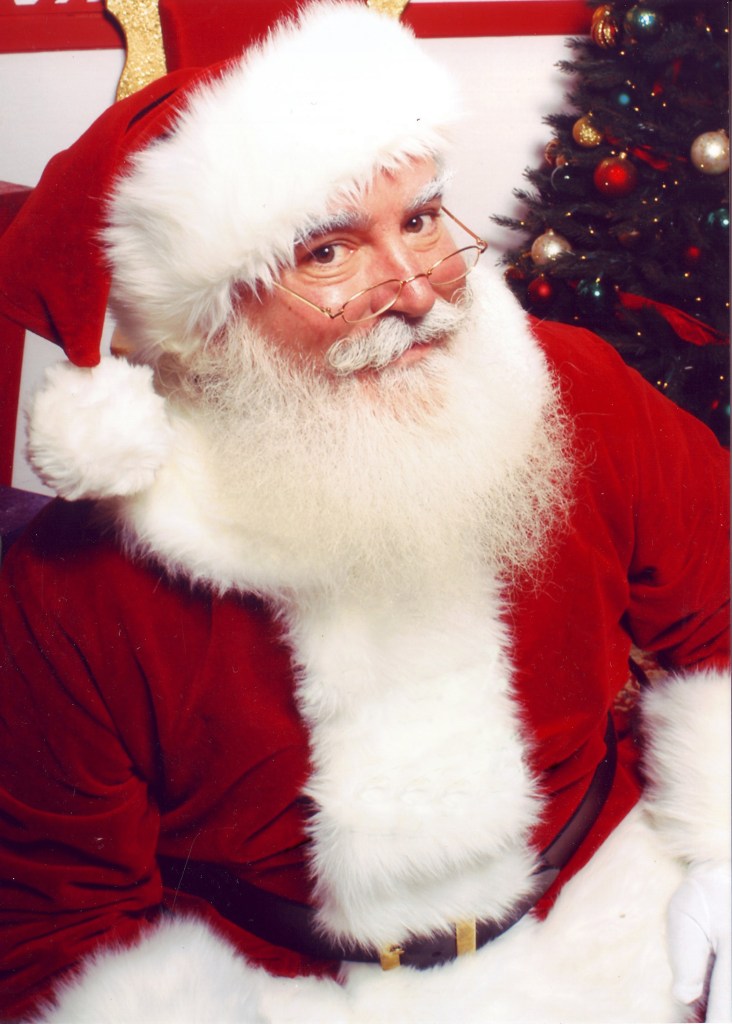
Santa Claus is very popular character in the United States and Canada. He brings gifts to well-behaved children on Christmas Eve and coal to naughty kids.
The night before Christmas, Santa Claus comes down the chimney and leaves presents under the tree for the kids. Christmas stockings are often placed by children beside the fireplace for Santa to fill with candy and other toys.
Based on the Dutch legend of Sinter Klaas, American merchant and philanthropist John Pintard created the modern concept of Santa Claus in 1804.
Washington Irving wrote about American Christmas traditions and Santa Claus as St. Nicholas in his book “A History of New York”, which was published in 1809. His story helped to popularize the Sinter Klaas. The name appeared in the American press as “St. A Claus”
The well-known face of Santa Claus today is the result of the work of Haddon Sundblom, an American artist, who created Santa Claus for the New Year’s advertisement for Coca-Cola Company in 1931.
Santa Claus became famous and beloved figure in American and Canadian Christmas celebrations.
Papá Noel, Spain
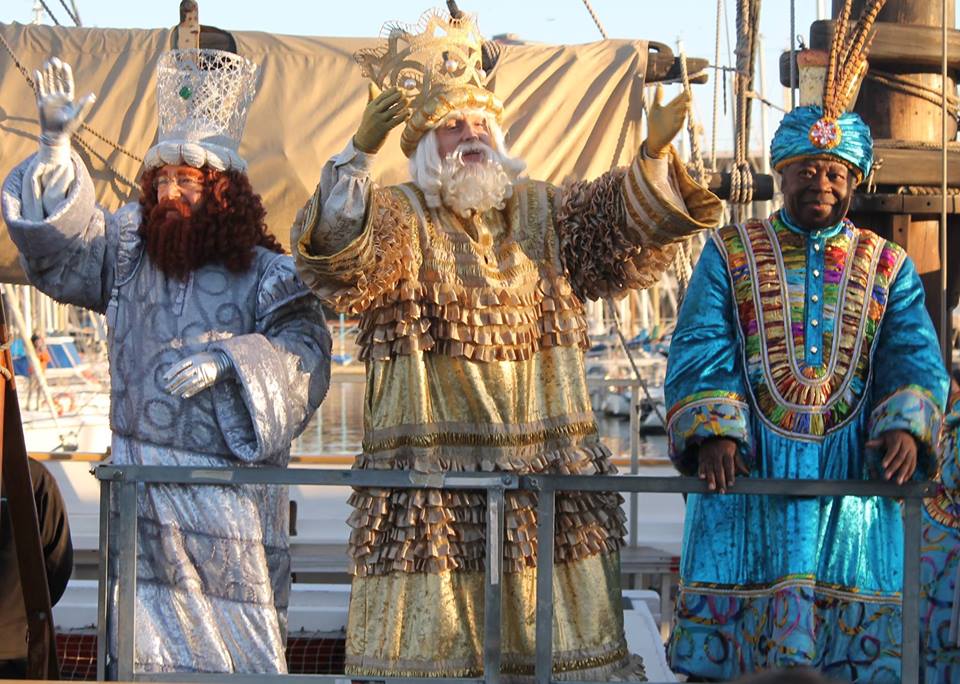
In Spain, Santa Claus, known as “Papá Noel,” is a beloved figure in the Christmas festivities though he isn’t the major character of the celebrations. Christmas, or Navidad in Spanish begins on December 24 and it lasts until January 6. The Three Kings or also known as the Three Wise Men are traditionally the central icons of Christmas, and they deliver gifts to children on 6th January.
The night before, on January 5, known as “Noche de Reyes,” many towns and cities across Spain celebrate the adoration of the newborn Jesus with parades and processions. The Three Kings arrived to give a baby Jesus three symbolic gifts: gold, frankincense, and myrrh, as well as sweets and delicacies to spectators.
Christmas in Spain is a time for family and festive gatherings. The holiday season is marked by delicious traditional dishes, such as turrones (nougat), polvorones (shortbread cookies), and the classic Christmas Eve dinner centered around seafood and roast meats.
On Christmas Eve, December 24, many Spaniards attend midnight mass, known as “La Misa del Gallo” or “The Rooster’s Mass,” which commemorates the birth of Jesus. This is followed by a celebratory feast with family and friends.
One of the most exciting Spanish Christmas traditions is playing the lottery. Almost everyone takes parts in the Spanish National Lottery at Christmas time, making it the biggest lottery in the world.
Another enjoyable Spanish Christmas tradition and a wonderful way to top off the festive season is to bake a sweet bread cake, the Roscón de Reyes, filled with whipped cream and topped with candied fruits and crushed almonds. A fava bean and a miniature figurine are placed inside the dessert. Whoever finds the figurine in their slice will be blessed with good luck for the entire year, but whoever gets the fava bean must pay for next year’s cake.
In Spain, the holiday season is a time of joy, warmth, and rich traditions that bring people together in celebration.
Ded Moroz, Russia
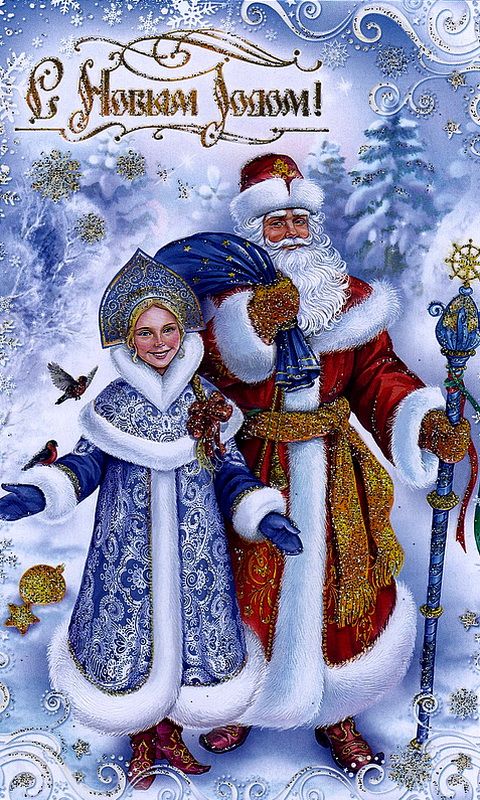
Santa Claus is a legendary and very popular character in Russian culture, known as Ded Moroz, or Grandfather Frost.
Ded Moron is grandfather with white beard. His breathing gave way to an extreme chill. Tears formed into icicles. His voice became icy as he spoke. His hair like clouds of snow.
In the winter, Ded Moroz travels across fields, forests, and frozen streets. He doesn’t like people who shiver and complain about the cold, but gives strength and blushes to people who are cheerful and energetic.
Ded Moroz first appeared in Russia during Christmas in 1910, but Christmas traditions were forbidden after the Russian Revolution because they were considered as “bourgeois and religious.”
In 1840 Ded Moroz reappeared in the fairy tales “Moroz Ivanovich” by V. Odoevsky. Later, lots of cartoons and movies were created with this character, and Ded Moroz became an iconic symbol of New Year celebration. Up to this day, kids believe that Ded Moroz comes to every house on New Year’s Eve and brings gifts to children.
Ded Moroz has a helper Snegurochka or Snow Maiden. She is an another beloved character from Russian folklore: grandparents made a doll-girl out of snow and the doll came to life.
Influenced by Afanasyev’s ideas, Russian playwright A. Ostrovsky wrote “Snegurochka” in 1873, in which she plays the beloved daughter of Frost and Spring. In 1881, N. Rimsky-Korsakov created the great opera “Snegurochka,” which became very famous.
The modern look Snegurochka got in 1935 in the Soviet Union, after the government gave permission to celebrate the New Year. At first time Snegurochka appears together with Ded Moroz at a New Year festival in the Moscow. She always helps to make a New Year party for the children and give them lovely presents. Since then, Ded Moroz and Snegurochka became New Year’s attributes in this celebration.
Weihnachtsmann, Germany
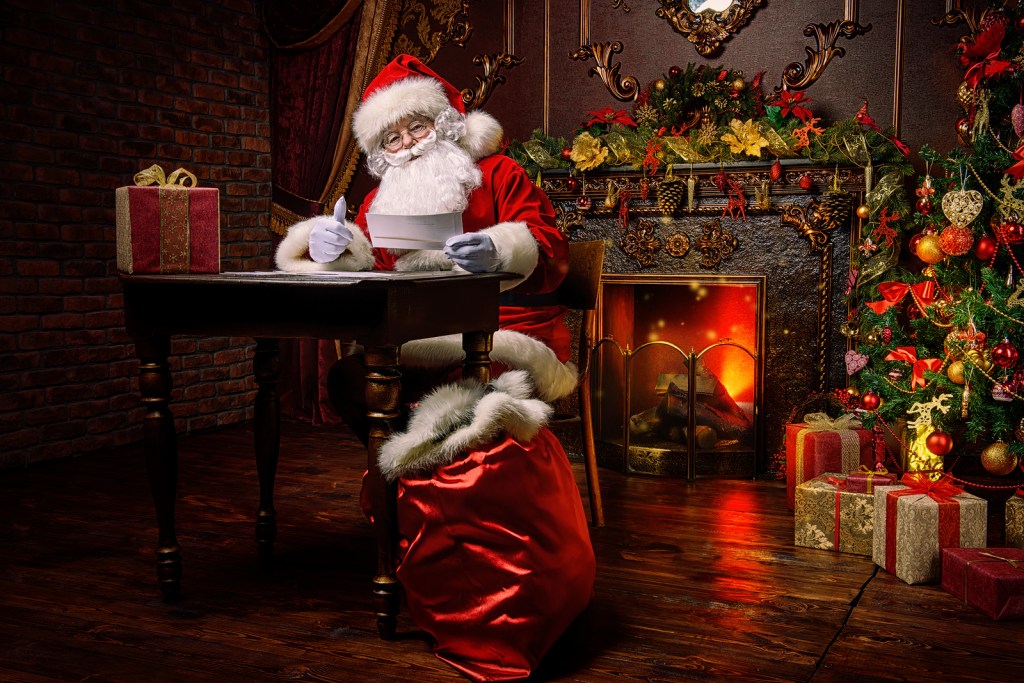
In some parts of Germany, especially Bavaria,, St. Nicholas was the main character in the Christmas celebration. He arrives earlier and gives generous gifts on December 6th.
Many children put a boot called Nikolaus-Stiefel (Nikolaus boot) outside the front door on the night of December, 5. Overnight , St. Nicholas fills the boot with gifts and sweets, while also checks on the children to see if they were good behaved ,polite and helpful the previous year. If they were not, they would have a stick in their boots instead.
The Protestant Reformer Martin Luther intended to eliminate the Catholic elements of Christmas, which is why he renamed Saint Nicholas to Christkindl. Later name Christkindl was replaced by der Weihnachtsmann (Christmas man) As a result , Weinachtsman brings presents to the children the night before Christmas in other parts of the country.
Père Noël , France
Père Noel, or Father Christmas, is the French name for Santa. Père Noel traditionally gives gifts to well-behaved and good children and brings the rods to the naughty and lazy kids on the Eve of December 24 or on the morning of December 25.
Another a traditional Christmas figure in France is Saint Nicolas.. On December 6, he comes with a little donkey, who carries baskets filled with children’s gifts, biscuits and sweets. Grandparents tell stories to children about Saint Nicolas. People bake spiced gingerbread biscuits and mannala. In schools, children learn songs and poems and do crafts about St. Nicolas.
In France New Year’s Eve is celebrated with friends in a restaurant, and often just on the streets with champagne, fireworks, fun and music.
Father Christmas , United Kingdom

Father Christmas is the traditional English name for Santa Claus and was established in the late Victorian period.
Father Christmas first appeared in the mid 17th century in the outcome of the English Civil War.
Children sincerely believe that Father Christmas leaves presents in stockings or pillowcases. These are normally hung up by the fireplace or the children’s beds on Christmas Eve. Children sometimes leave out mince pies and brandy for Father Christmas to eat and drink when he visits them.
Also, kids write letters to Father Christmas, but sometimes instead of putting them in the post, the letters are tossed into the fireplace. The draught carries the letters up the chimney, and Father Christmas reads the smoke.
Christmas Trees were first popularized in the United Kingdom by Prince Albert, the husband of Queen Victoria. Prince Albert was German, and thought that it would be good to use one of his ways of celebrating Christmas in England.
In the United Kingdom decorating Christmas trees and enjoying a family feast together together became a great tradition.
Omamori – Protection, Luck & Meaning
A Simple cultural guide to Japan’s sacred protective charms – types, meanings, usage, and where to find authentic omamori at temples and shrines in Tokyo.
Instant PDF download – Printable & Mobile-friendly – Tokyo map included
Babbo Natale, Italy
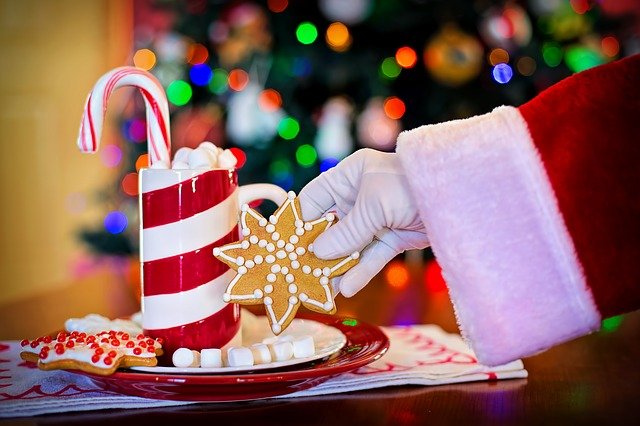
A popular character in Italy, Babbo Natale is a version of Santa Claus.
He leaves his sled on the roof and sneaks into every house through the chimney. He brings the gifts to good children and coals for the bad ones on the night of Christmas Eve or during the early morning hours of Christmas Day. People often leave milk and sweets for him.
Also, in Italy, children are waiting for the fairy Befana who delivers gifts on Epiphany Eve (the night of January 5) in a similar way to St. Nicholas or Santa Claus. She usually rides a broomstick and wearing a black shawl. She enters houses through the chimney and brings sweets and toys for children.
Joulupukki , Finland
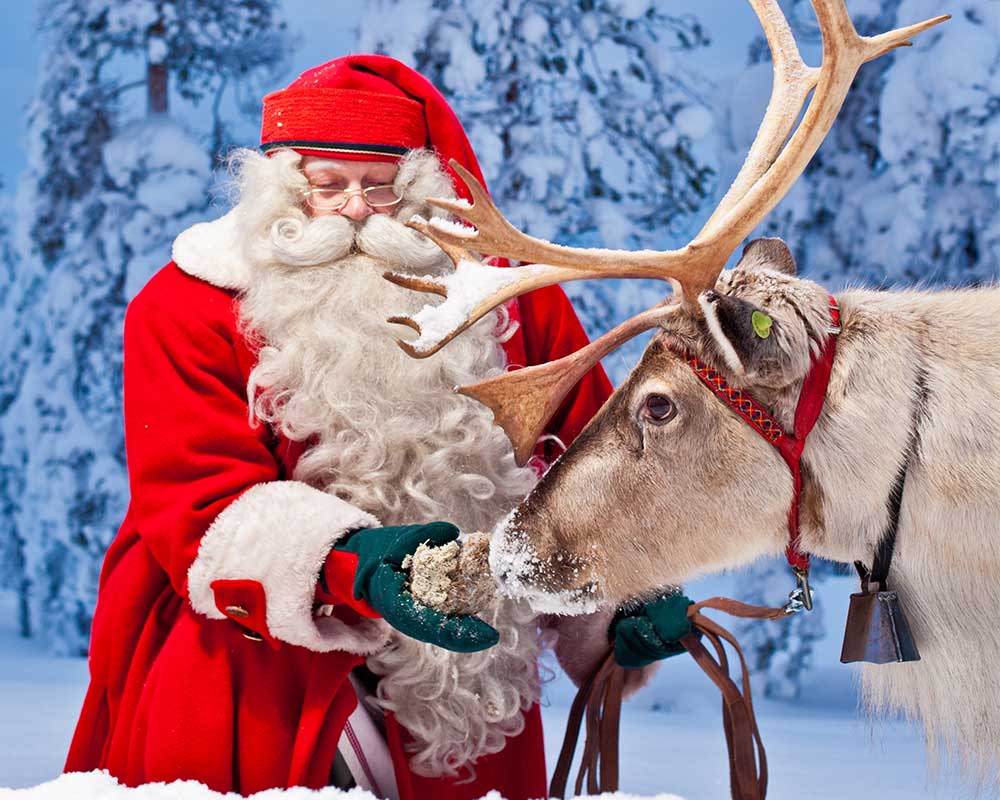
Joulupukki is Finland’s Santa Claus. He lives in Lapland, on the Korvatunturi mountain.
The Finnish Santa Claus has a wife Joulumuori (“Old Lady Christmas”) and assistants, gnomes. Throughout the year gnomes carefully listen wishes from little children and just before New Year’s Eve they sort and arrange presents.
On Christmas night, Joulupukki comes to them, while they are asleep and leaves generous gifts for good kids and rods for naughty ones.
In Finland, most children sincerely believe in Joulupukki. Kids write letters to him before Christmas telling about how good and kind they have been during the year.
Since 1985, the Joulupukki’ Main Post Office in Rovaniemi at the Arctic Circle has received more than 18 million letters.
Papá Noel, Argentina

In Argentina, Santa Claus is known as “Papá Noel” and is a central figure in the celebration of Christmas. Argentines celebrate Christmas on December 24th. It’s common to stay up until midnight, light up fireworks, toast with champagne at midnight.
Christmas celebrations in Argentina often involve large family gatherings and feasting. Many Argentinians love to decorate Christmas trees, prepare asado (barbecue), and enjoy Argentinian Christmas recipes like pavo (turkey) and empanadas. Also, people attend midnight mass and the lighting of fireworks at midnight on Christmas Eve.
Unlike in some other countries, where children receive gifts from Santa on Christmas Eve or Christmas Day, in Argentina, presents are traditionally exchanged on the night of January 5th, known as “Noche de Reyes,” or Three Kings Day. This is the day when the Three Wise Men visited the newborn Jesus and is a more popular gift-giving day in Argentina than Christmas.
Many people prefer to get out of the city and head towards the beaches near Buenos Aires (like in Punta del Este of Uruguay or Mar del Plata, Argentina), or south to Patagonia to enjoy more temperate climates (like in Bariloche or Calafate, Argentina).
Overall, the holiday season in Argentina is filled with joy, love, and the spirit of giving.
Kersfees Vader, South Africa

In South Africa people celebrate Christmas on December 24th and 25th but instead of snowflakes they have blooming flowers, beautiful butterflies, bees and the sun. It is very hot and sunny weather in South Africa.
Santa Claus is known as Father Christmas, Sinterklaas or Kersfees Vade. Children always wait for desirable presents from Kersfees Vader and leave out stockings on Christmas Eve.
Carol songs and candlelight services on Christmas Day are very popular in towns and cities. Often, families make BBQ, lots of salads and roast meat for the festive dinner. They go swimming, camping, play games and enjoy the outdoors.
Travel Planning in Asia
Book Trains, Buses, Ferries, Transfers & Flights

Santa-San, Japan
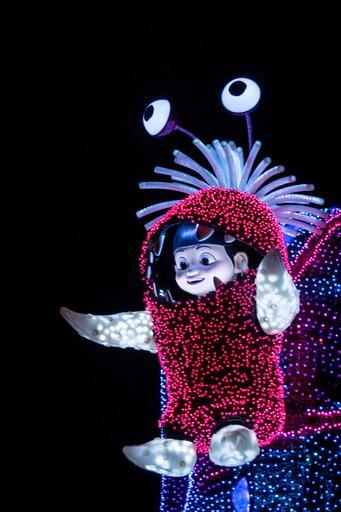
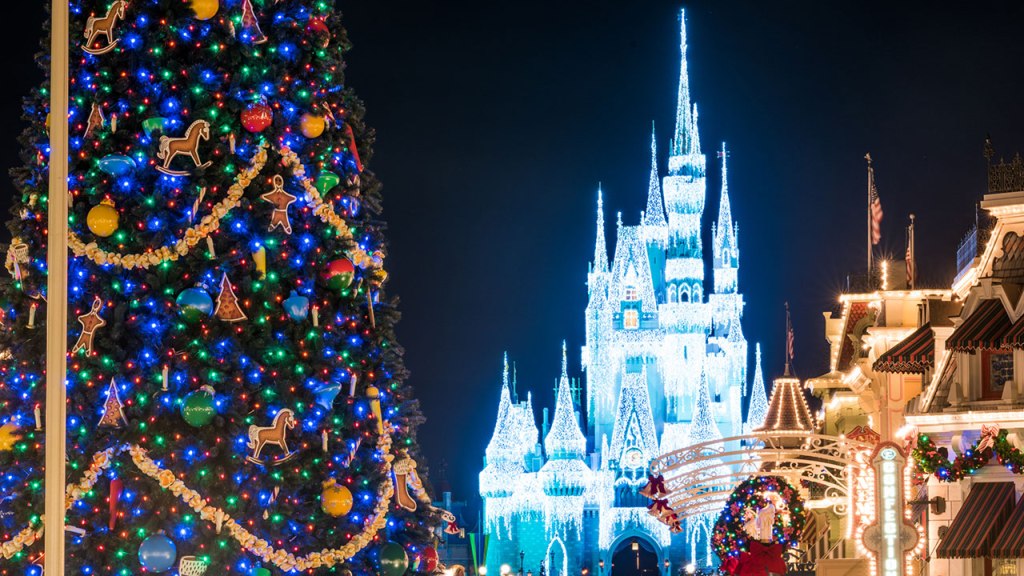

Only last few decades, people in Japan started to celebrate Christmas and is not a religious holiday for them.
Christmas for Japanese people is more a romantic celebration and time to spread happiness. Couples spend time together, go for walks to look at the Christmas lights and displays, have a dinner in a restaurant and exchange presents.
In Tokyo, very popular is visiting Disneyland and seeing all the Christmas decorations and the parades.
Children often have a party, with games and dancing. Japanese Christmas Cake is decorated with trees, lovely flowers and a figure of Santa Claus.
In Japan Santa is known as Santa-San (Mr Santa), but Japanese God Hoteiosho delivers generous gifts for kids.
God Hoteiosho is an admirable character with eyes on the back of his head. He is portrayed as a kind grandfather carrying a huge bag with presents.
New Year is a very big celebration in Japan and families have a special meal and pray. At midnight on December 31, Buddhist temples ring their bells a total of 108 times. The Japanese believe the ringing of bells can rid their wrongs of the outgoing year. The bell is rung 107 times on the December 31st and 108th past midnight.
Santa Claus, New Zealand
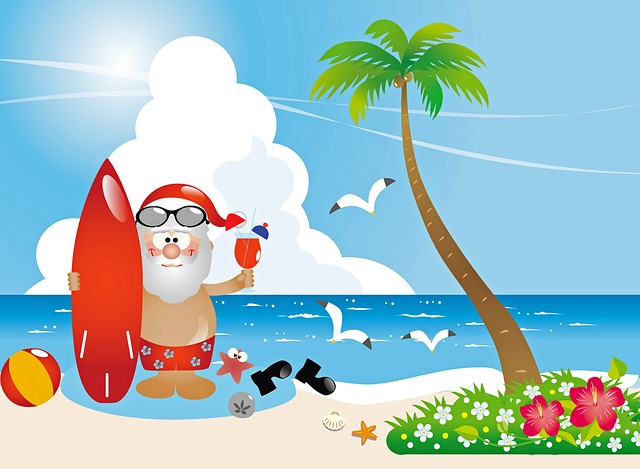
In New Zealand Christmas comes in the middle of the summer holidays. Christmas traditions have appeared through the English settlers who came to New Zealand in the late 18th Century.
In the last 30 years the name of the Father Christmas character had changed and he became Santa Claus.
Many towns have a colorful Santa parade. It is very hot in New Zealand and sometimes Santa can wear “jandals” (sandals).
Children leave out carrots for Santa’s reindeer and beer and pineapple chunks for Santa!
Lots of people spend their time on the beach or camping for Christmas and have a barbecue for Christmas lunch.
Shen Dan Lao Ren, China

In China, only around one percent of people are Christians, hence most people know a few things about Christmas.
“Trees of Light” are an interesting analogue of Christmas tree. Only a few people have a Christmas Tree at home, but most people can see them in shopping malls. Christmas trees lavishly decorate in the oriental way with lanterns, glowing lights and garlands.
Santa Claus is called Sheng Dan Lao Ren (Old Christmas Man). Kids always waiting for him to come to their homes and hang stockings on the walls, where Sheng Dan Lao Ren places his incredible gifts for them.
Christmas Eve is the biggest shopping day of the year. Most young couples go to Christmas parties and give presents to each other, like on Valentine’s Day. Ice skating and amusement parks are popular destinations as well.
Merry Christmas and
Happy New Year
My Dear Friends !
Omamori – Protection, Luck & Meaning
A Simple cultural guide to Japan’s sacred protective charms – types, meanings, usage, and where to find authentic omamori at temples and shrines in Tokyo.
Instant PDF download – Printable & Mobile-friendly – Tokyo map included
If you would like to contribute to my blog, you can please do so here
Connect with me on Social Media:
Discover more from Suitcase Travel Blog
Subscribe to get the latest posts sent to your email.
 Suitcase Travel Blog
Wow, thank you, such an interesting post 🙏🎅
LikeLiked by 1 person
My pleasure!
LikeLiked by 1 person
I like the look of the one in the Netherlands!
LikeLiked by 1 person
A very lovely post. Thank you so much Angela and Best Wishes to you.
LikeLiked by 1 person
My pleasure! Happy holidays !
LikeLike
Very interesting Angela! Here in South Africa, we also call him Father Christmas (in my home language, it would be “Kersfees Vader”) … and he will have to put on shorts and a t-shirt this year, we’re in the middle of summer and have long and sunny days 🌞
LikeLiked by 2 people
😂👍🎅That’s true.
LikeLiked by 1 person
Thank you! Just wanted lift up mood a little bit. Your Santa interesting too. I might add him to the post. I hope Kersfees Vade will visit you this year. Happy holidays!
LikeLiked by 1 person
He better visit me … I’ve been a good girl this year 😅
LikeLiked by 1 person
No doubt! I am waiting for my Santa too
LikeLike
I updated this post and added Kersfees Vade. Thank you for an idea. Merry Christmas !
LikeLiked by 1 person
Ahh Angela, that’s so sweet! That picture of Kersfees Vader is exactly how he will arrive here in Langebaan, South Africa (on a SUP on the lagoon!) And the description of how we celebrate Christmas, is 100% correct … Well done 🌞
LikeLiked by 1 person
Thank you ! I should include Kersfees Vader to the post from the beginning, but somehow I missed it. Thanks again for the an idea !
LikeLiked by 1 person
From: Pacific Paratrooper…

LikeLiked by 1 person
So cool ! Brave Santa !
LikeLiked by 1 person
What and interesting and informative post! You must have worked very hard to put all this information together. Thank you.
LikeLiked by 2 people
My pleasure!
LikeLike
Thank you very much for responding ! I’m so happy that I lift up the mood a little bit! I love this festive atmosphere and let’s celebrate it!
Merry Christmas and Happy New Year to you and your family!
LikeLike
Fantastic 👏👏👏 I hope you don’t mind but I’ve reblogged this. You’ve put a lot of work and information into this post…😊
LikeLike
Not at all! Thank you very much! It means a lot to me.
LikeLiked by 1 person
Great post!!! In Belgium children also celebrate Sinterklaas… it is very similar to the Netherlands. Except that here, the children find their presents on the 6th of December. December is a good month for children in Belgium because there are also the Xmas presents 😁😁😁
LikeLiked by 2 people
This just shows that Santa is a spirt shared around the world. Now if we could only figure how to share other things. Merry Christmas Angela. Allan
LikeLiked by 1 person
Excellent post
LikeLiked by 1 person
Thank you!
LikeLiked by 1 person
A magnificent post!

LikeLiked by 1 person
Thank you very much!!!!!!
Have a wonderful holidays 🎄
LikeLiked by 1 person
A lot of research to inform us about Christmas around the world! What I remember about Christmas in England is that every year since 1947 the tree in Trafalgar Square has been sent from Norway as a token of gratitude for the support of Great Britain during WW2. As a small child my mother used to take us to watch the lighting of the tree. Wishing you the best Angela!
LikeLiked by 1 person
Interesting! Very interesting fact. Thank you!
I wishing you a wonderful holidays season Carolyn! 🙋🎄🎇
LikeLike
May we all find the generosity of Saint Nicholas within ourselves this Christmas season!
LikeLiked by 1 person
Agreed!
Wishing you wonderful holidays season!!!! 🙋🎄🎅
LikeLiked by 1 person
Same to you, Angela!
LikeLiked by 1 person
Love this Angela, so fun to read the other traditions. We visited St. Nicholas’ birthplace and first monastery/church in Turkey this past summer. It was really funny to see Santa Claus statues in the searing heat in the middle of Turkey. Merry Christmas! Maggie
LikeLiked by 1 person
That’s funny🙂This year is first time we will celebrate Christmas without snow. It’s very unusual. I love snow 🙂
In my post, I tried to find some unique and interesting celebrations around the world and I am very happy that you enjoyed to read it. We need something to lift up the mood🙂🙋🎄🎅❄️
Merry Christmas Maggie!!!!!! All the best to you!!!!
LikeLike
Wishing you the best of the season and a happy New Year!
P.S. I thought the Spanish Santa was the most glam. Interesting that he’s not decked out in red and white like the other Santas are.
LikeLiked by 1 person
Thank you very much! Wishing you good health, happiness and joy during the holiday season and whole new year 🙋🎄🎅
I’m very happy that you enjoyed the Santa post. I tried to find different and interesting traditions. It’s hard to choose favorite Santa for me. I love them all, I spent lots of time for research and writing this post😀
LikeLiked by 1 person
Very interesting, well done.
LikeLiked by 1 person
Thank you so much! Happy Holiday Season!
LikeLike