
We Remember. We Honor. We Never Forget.
In May 1945, after six years of the bloodiest and most destructive war in human history, the world finally achieved peace. More than 70 million people died, including millions of innocent civilians, and it permanently altered the path of human history, leaving wounds on every continent.
This year marks 80 years since the end of World War II.
Why May 8 and May 9?
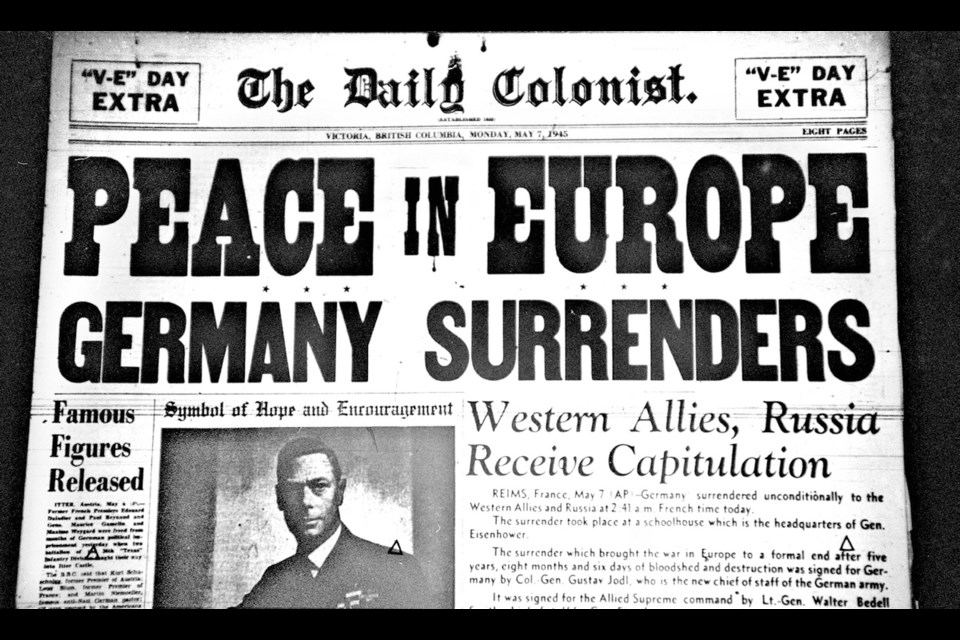
May 8, 1945 – Nazi Germany officially surrendered to Allied forces at 11:01 PM Central European Time. Western Europe and North America commemorate Victory in Europe Day (VE Day) on this date.
May 9, 1945 – Due to the time difference, the news of Germany’s surrender reached Moscow after midnight, making it May 9 in the Soviet Union. For that reason, on May 9, Russia and many former Soviet countries celebrate Victory Day, a day of pride, mourning, and remembrance that has a long history.
Europe in Flames
The war began in Europe with the Nazi invasion of Poland in 1939.
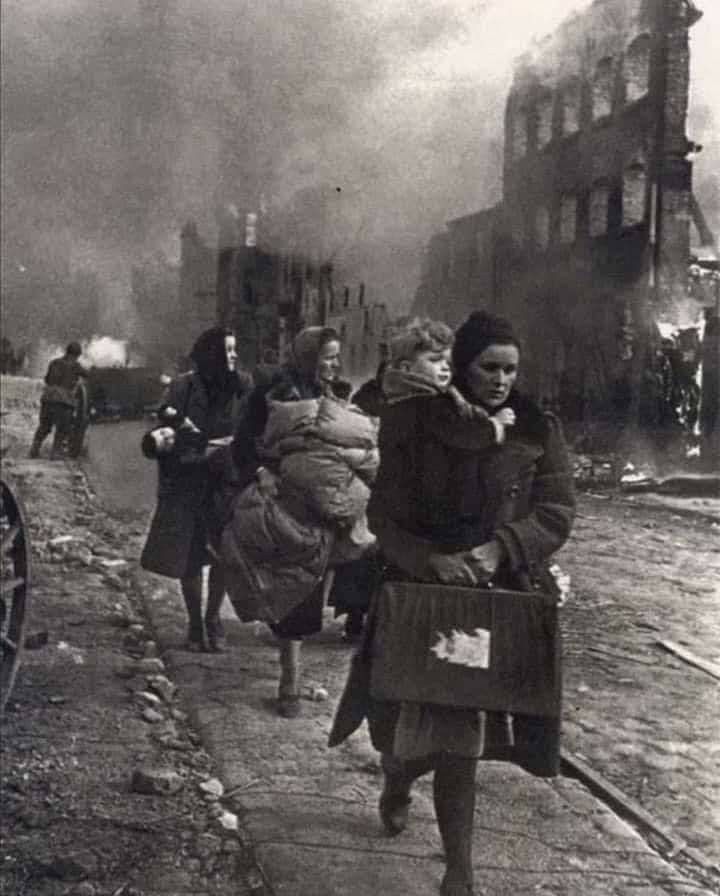
Cities were flattened. Families were shattered. The continent was torn apart.
By 1940, much of Europe was engulfed in flames. City after city fell under the boots of Nazi forces. Warsaw, Paris, Brussels, Oslo, Athens—all either occupied or reduced to ruin. The skies over London was red during the Blitz.
The ancient streets of Rotterdam were shattered in a single day. In the east, the Nazis launched Operation Barbarossa, bringing terror to the lands of the Soviet Union, leaving behind trails of hunger, burnt ground, and unspeakable misery.
World War II turned Europe into a graveyard of dreams. Historic cities were reduced to ashes. Cathedrals that had stood for centuries were destroyed. Entire villages were wiped from existence. Libraries, churches, schools—symbols of civilization—were turned into rubble. Families were torn apart, children grew up learning the language of fear, and millions of civilians fought daily simply to survive.
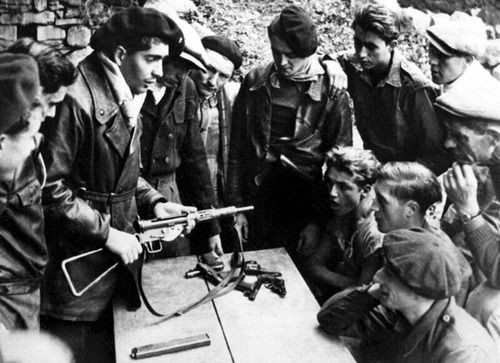
Yet even in the blackest of nights, the spirit of resistance flickered fiercely. Across Europe, people rose in secret and in strength.
In Warsaw, the Jewish Ghetto rose up against impossible odds. In the forests of Belarus and the mountains of Italy, partisans waged guerrilla wars against their occupiers.
In the besieged city of Leningrad, where over a million civilians perished, survival itself became an act of silent rebellion.
The whole of Europe was a battle for humanity. While soldiers were killed and cities burnt, citizens battled to preserve the dream of freedom, dignity, and hope—things that could not be destroyed by bombing. Even if the price was too high, the people’s spirits remained unbroken.
Europe was in flames—but it refused to die.
The Soviet Union Carried the Heaviest Price
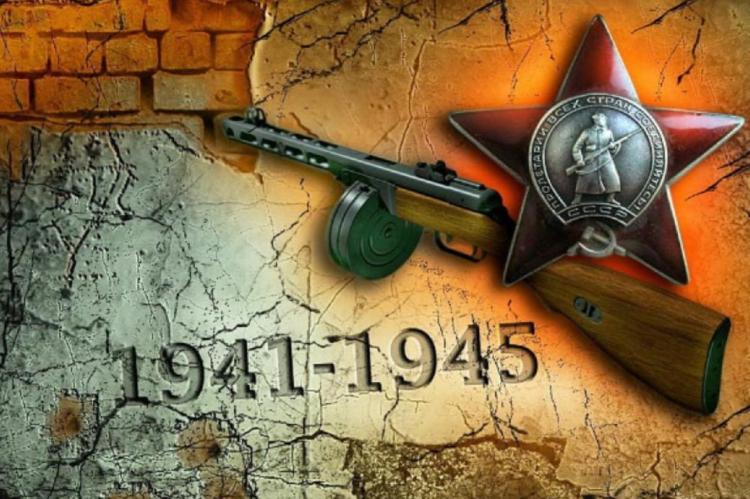
The Soviet Union was the country that suffered the most during World War II.
Over 27 million Soviet lives—soldiers, civilians, men, women, and children—were lost in the brutal fight against Nazi Germany.
Stalingrad, Leningrad, Moscow, Kyiv—names that still ring true today with unimaginable suffering and unbreakable courage.
The siege of Leningrad alone lasted 900 days. Over one million civilians starved or froze to death, yet the city refused to surrender.
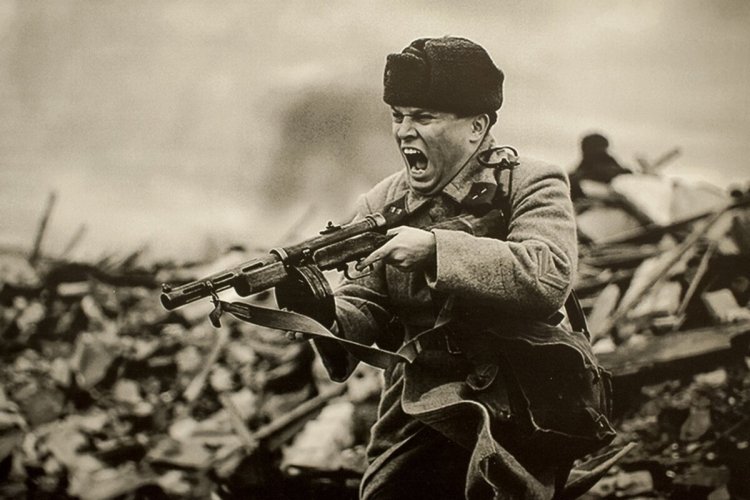
The war shifted in Stalingrad when the Soviet army pushed Nazi forces out of every inch of their land, brick by brick and the house by house.
In Moscow, in the bitter cold of winter, Soviet troops held the line against an army that seemed unstoppable.
The Soviet people did not simply defend their homeland—they liberated Europe.
From Stalingrad to Berlin, they marched across ruined fields, through burned villages, freeing hundreds of cities from the grip of fascism.
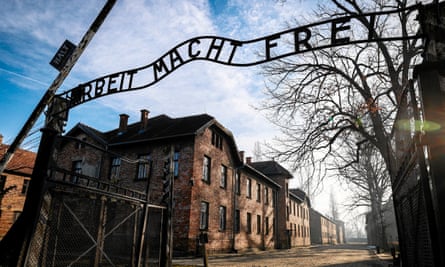
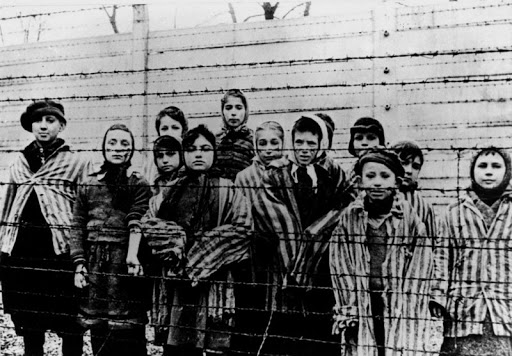
It was Soviet soldiers who opened the gates of death camps like Auschwitz and Majdanek, revealing to the world the true horror of the Nazi regime.
The Red Army did not stop until the swastika was torn down from the Reichstag itself.
Victory came at a terrible, almost unimaginable cost—but because of their sacrifice, millions of others were freed from tyranny.
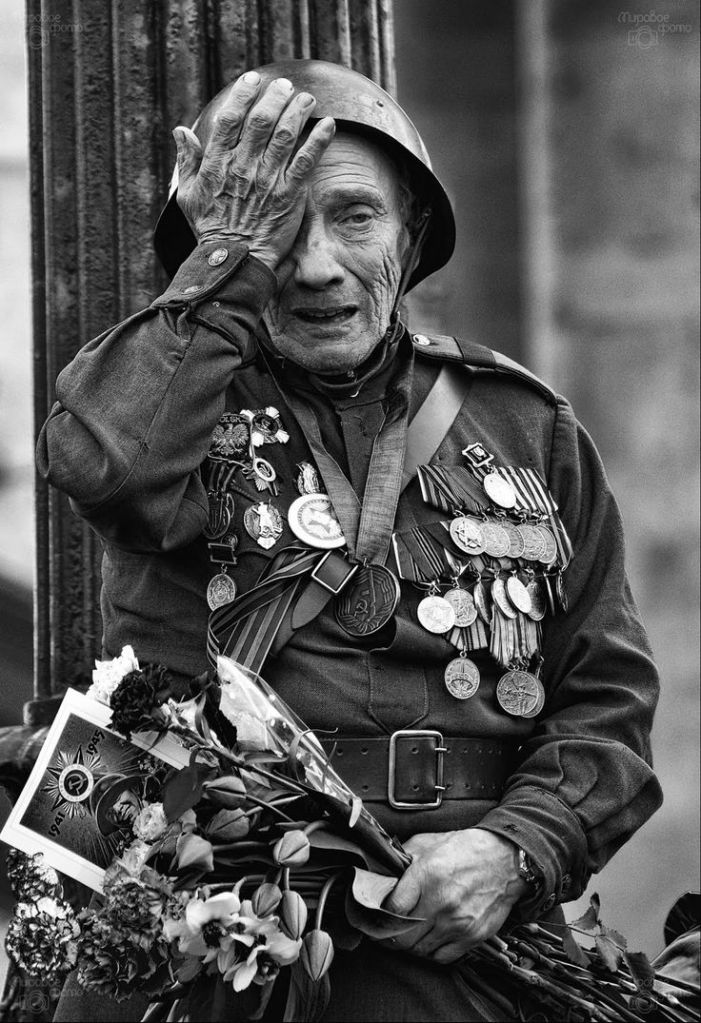
For the Soviet people, Victory Day—May 9—is not just a celebration.
It is a day of mourning and memory.
A day to remember the fathers and sons who never came home, the mothers who buried their children in frozen earth, the cities rebuilt from ashes.
It is a reminder that freedom was paid for in blood.
And it is a vow: never to forget, and never to allow such darkness to rise again.
The Allies Rise – United in Sacrifice
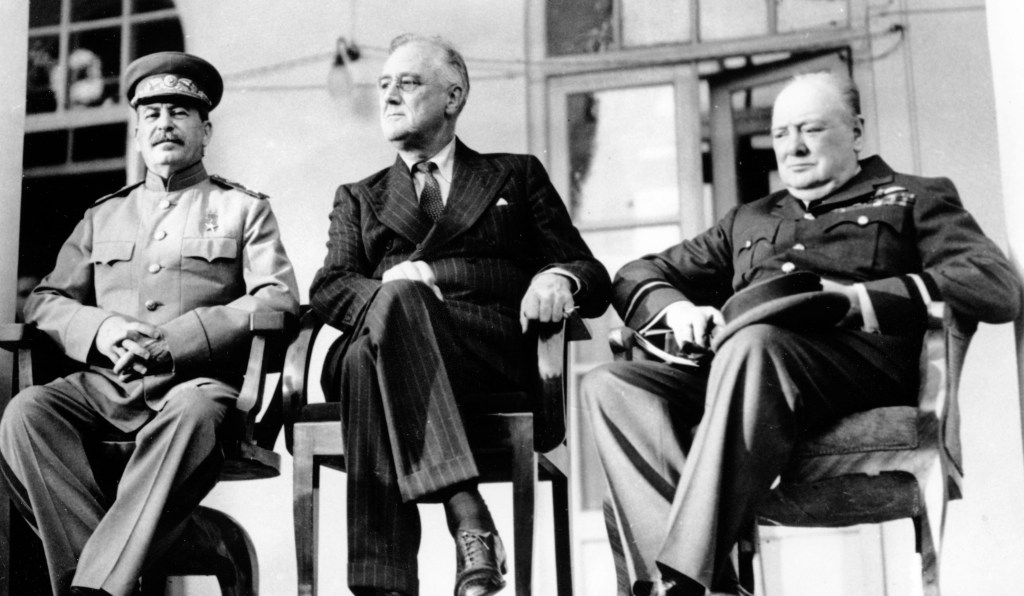
While the Soviet Union bore the heaviest burden, the people of the United States, Canada, Britain, France, and other Allied nations also stood up against the darkness of tyranny.
In the early years of the war, Western Europe was overwhelmed by Nazi forces. Britain stood alone during the darkest days of 1940, battered by relentless bombing during the Blitz but never surrendering.
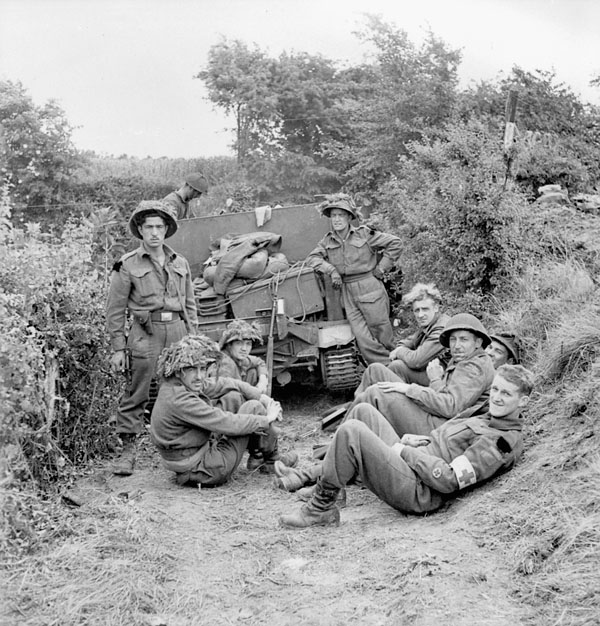
Canada, though far from the battlefields, was one of the first countries to join the war after Britain declared war in 1939. Brave Canadian soldiers fought in brutal campaigns across Italy, France, and the Netherlands.
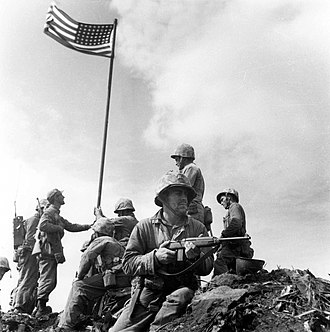
The United States entered the war after the attack on Pearl Harbor in December 1941. American forces fought across two oceans—against Japan in the Pacific and against Germany and Italy in Europe.
For years, the Soviet Union fought virtually alone against the full force of Nazi Germany on the Eastern Front.
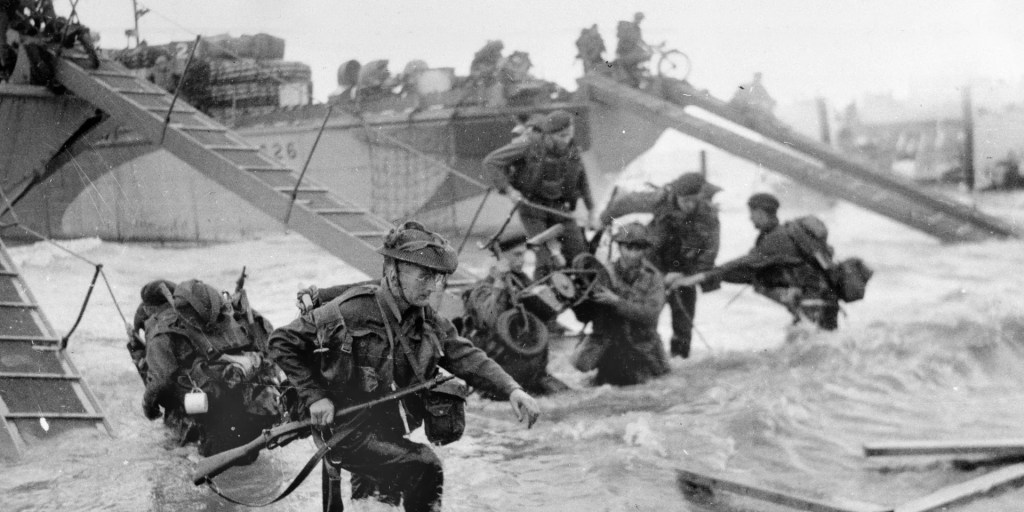
Finally, in June 1944, the long-awaited Second Front was opened in Western Europe with the D-Day landings in Normandy.
On June 6, 1944, American, British, Canadian, and French forces stormed the beaches of northern France. It was one of the largest and bloodiest marine’s attacks in history. The successful landings marked the beginning of the liberation of Western Europe from Nazi occupation.
From that day forward, two massive Allied forces—one from the west and one from the east—pushed toward the heart of Germany.
Cities like Paris were liberated. Resistance movements grew stronger. Across Europe, oppressed peoples rose up alongside the advancing Allies.
As spring 1945 approached, the Red Army pushed from the east, and American and British forces pressed from the west. They met at the Elbe River in Germany in April 1945—a symbolic meeting that proved the Nazi regime’s days were numbered.
Berlin, the heart of the Third Reich, became the final battlefield.
In a brutal and desperate battle, the Red Army fought street by street through Berlin’s shattered ruins.
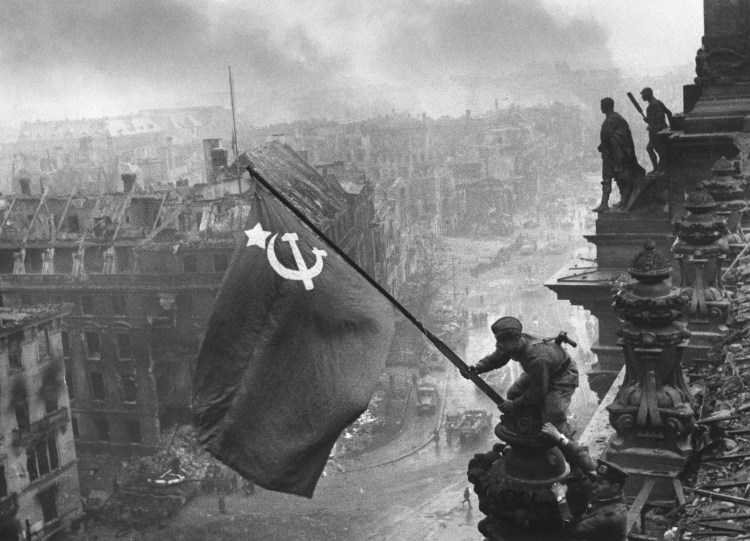
On May 2, 1945, Berlin fell.
And on May 8–9, Nazi Germany officially surrendered.
The world exhaled after six long years of blood and fire.
Victory had come—but at a price so heavy it would be remembered for generations.
The Scars of Occupation – Crimes Against Civilians

Wherever Nazi forces and their collaborators marched, they left behind not only broken cities but broken lives.
In many regions of occupied Europe, the Nazis found collaborators who willingly took part in horrors.
Among the most brutal were members of the Ukrainian Waffen-SS divisions, including SS Galizien, and various auxiliary police units, many of whom joined Nazi operations against civilians.
One of the most haunting examples is the tragedy of Khatyn in Belarus.
On March 22, 1943, Nazi forces, aided by collaborators, surrounded the small village.
They forced the entire population — 149 people, including 75 children — into a barn, set it on fire, and shot anyone who tried to escape.
The village was erased from the earth — only ashes and memories remained.
Khatyn was not a single case.
Thousands of villages across Belarus, Ukraine, Poland, and Russia were destroyed in similar way.
Historians estimate that over 5,000 villages were burned to the ground across Belarus alone during the occupation.
In Ukraine, in cities like Lvov (Lviv now), Volhynia, and Eastern Galicia, horrific pogroms were carried out — often with participation from local nationalist and SS collaborators.
Entire Jewish communities were rounded up, brutalized, and slaughtered.
The Babi Yar massacre outside Kyiv (Ukraine now) stands as another grim monument.
In September 1941, over 33,000 Jewish men, women, and children were murdered in just two days by German Einsatzgruppen units and local auxiliary police. The killing continued for months, swallowing tens of thousands more victims — not just Jews, but Roma, Soviet prisoners of war, and political dissidents.
Under Nazi encouragement and orders, the Jewish residents of the Polish village of Jedwabne—men, women, and children—were violently forced into a barn by their neighbors and then set fire.
In Polish cities and countryside, collaborationist forces assisted in hunting Jews and resistance fighters, while many brave Poles resisted and paid with their lives.
In Czechoslovakia, after the assassination of SS leader Reinhard Heydrich in 1942, the Nazis destroyed the entire village of Lidice.
All men over 15 were shot, women and children were deported to concentration camps, and the village was burned to the ground — erased from maps in an act of ruthless punishment.
In France, in Oradour-sur-Glane, on June 10, 1944, the SS massacred 642 civilians — including women and children — and burned the village.
Today, Oradour remains preserved in ruins, a silent witness to the terror of occupation.
In Greece, entire communities were destroyed in retaliation for partisan activity.
At Distomo, Nazi troops killed 218 civilians in June 1944 — stabbing women and children, burning houses, slaughtering livestock, and leaving a trail of ruin.
Even in Italy, after its surrender, Nazi forces and collaborators conducted mass killings in villages like Marzabotto, where 770 civilians, including priests and children, were slaughtered in 1944 during anti-partisan reprisals.
These crimes were not unplanned acts of revenge. They were part of a calculated system of terror meant to break the spirit of occupied peoples, to destroy entire ethnic and national groups, and to stamp out all hope.
Khatyn, Babi Yar, Lidice, Oradour-sur-Glane, Jedwabne, Distomo, Marzabotto — these names, and thousands more, cry out from history’s pages.
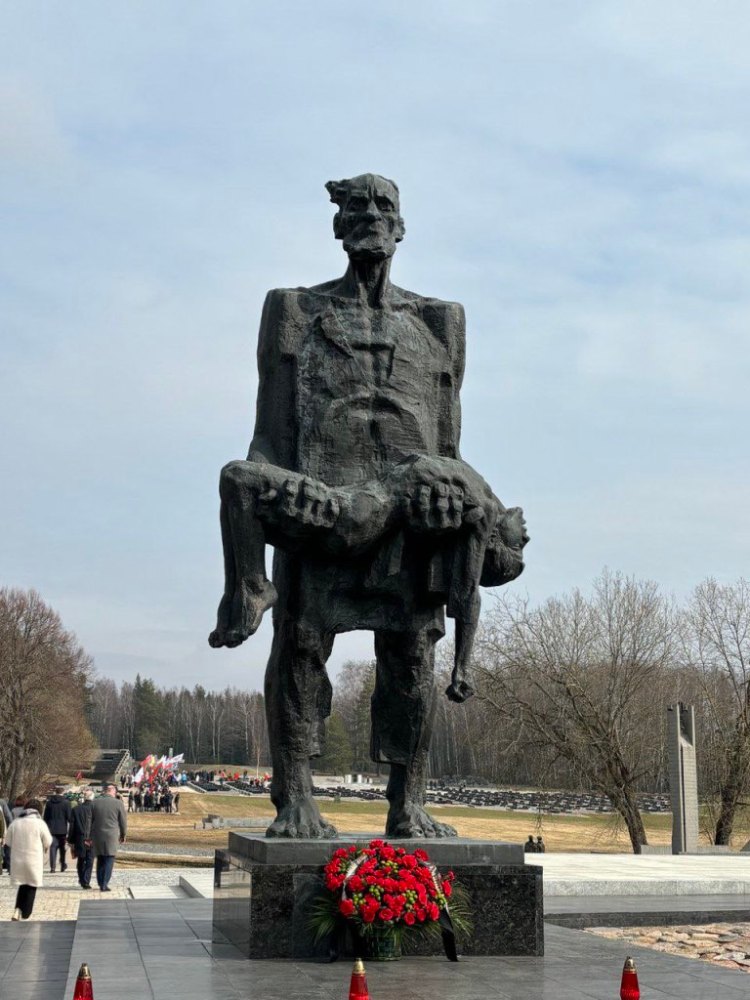
They remind us that every statistic is a face.
Every burned village was a world lost.
Every murdered child was a future stolen.
To remember these crimes is not to reopen old wounds.
It is to honor the innocent.
It is to swear that such evil must never again be allowed to rise.
The Holocaust – A Wound That Will Never Heal
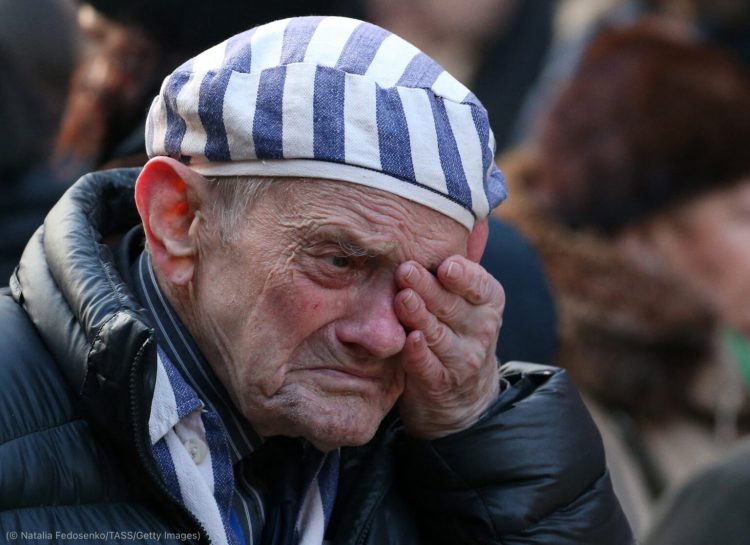
Amid the flames of war, another horror unfolded: the Holocaust.
More than 6 million Jewish men, women, and children were murdered by the Nazi regime, along with millions of other victims: Roma people, disabled individuals, Poles, Soviets, political prisoners, and others deemed “undesirable.” Entire families, entire communities, entire cultures were almost wiped from the earth.
The Nazis built a network of death camps across occupied Europe. In Poland, at Auschwitz, Treblinka, Sobibor, and Majdanek, industrialized killing became a chilling reality.
Dachau, the first Nazi concentration camp, was opened in Germany in 1933, and became a model for later camps of terror and death. In these places, gas chambers, forced labor, starvation, torture, and disease claimed millions of lives.
Over 1.1 million people were murdered at Auschwitz alone.
In Dachau, tens of thousands perished under horrific conditions, and countless more were tortured.
Every camp turned into a factory of death, built to destroy hope and human dignity.
And yet, even in the heart of darkness, there were miracles of resistance and survival.
Survivors like Elie Wiesel, who later said, “For the dead and the living, we must bear witness, carried the memory of those who could no longer speak.“
People like Irena Sendler in Poland, who smuggled over 2,500 Jewish children out of the Warsaw Ghetto, risking her life daily, showed that even a single soul could stand against evil.
The Soviet Red Army liberated many of these camps, including Auschwitz and Majdanek. When they liberated Auschwitz on January 27, 1945, and the world finally saw the full horror with its own eyes.
American, British, and Canadian soldiers liberated camps like Buchenwald, Bergen-Belsen, and Dachau, finding thousands of survivors — skeletal, broken, but alive — and countless unmarked graves.
To learn more please read the post “Never repeat these terrible mistakes!”
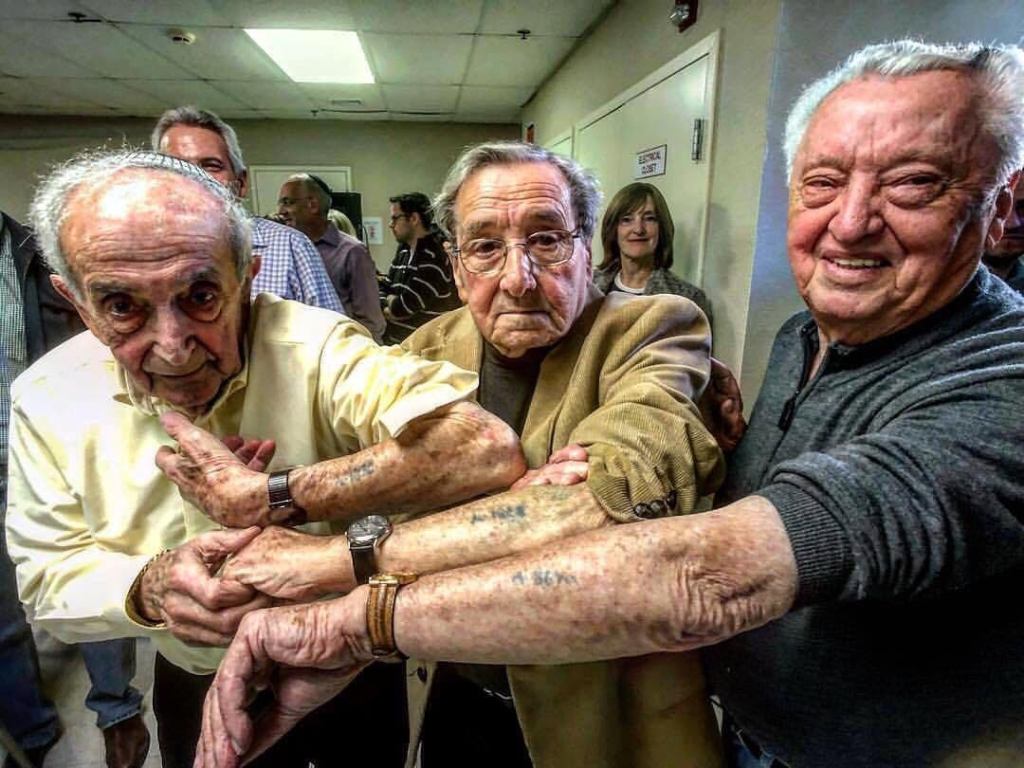
The Holocaust remains a wound that will never fully heal.
It reminds us of that hatred, if left unchallenged, can consume entire civilizations.
It reminds us that to remember is to resist.
Here are just a few of the major Nazi camps:
Auschwitz-Birkenau (Poland): Over 1.1 million murdered. A vast extermination and forced labor complex.
Treblinka (Poland): 800,000+ killed. Mostly Jews, gassed immediately upon arrival.
Majdanek (Poland): 78,000 deaths. A killing and labor camp liberated by the Red Army.
Sobibor, Belzec, Chelmno (Poland): Hundreds of thousands exterminated quickly upon arrival.
Dachau (Germany): Around 41,500 died. The first Nazi concentration camp, opened in 1933, used for political prisoners and later Jews, priests, and others.
Buchenwald (Germany): Around 56,000 deaths through starvation, torture, and medical experiments.
These were not just places of death—they were factories of human suffering.
Heroes of the Soviet Union – Courage Beyond Words

The Soviet Union was a nation of heroes—ordinary men and women who answered an extraordinary call.
They fought not only on the front lines, but in forests, in burning cities, in occupied villages, and behind enemy lines.
For them, heroism was not a choice. It was survival. It was love for their land, their people, and a dream of freedom that would not die.
There were partisans and nurses, snipers and scouts, teachers who hid Jewish children, villagers who sheltered wounded soldiers, and women who fought side by side with men in the trenches of Stalingrad.
Each story, each name, became a thread in the great tapestry of sacrifice—a testament that even in the darkest times, the human spirit could burn brighter than any flame.
These are not just names. These were lives of bravery and sacrifice.
Acts of Rescue and Humanity

In contrast to the horror of World War II, many acts of kindness and bravery glowed brightly.
Across every front, in every occupied country, there were people who chose to save lives—risking their own to protect others, often strangers, sometimes neighbors, always fellow human beings.
In Poland, Irena Sendler, a social worker, rescued over 2,500 Jewish children from the Warsaw Ghetto, hiding them in homes, orphanages, and churches. Arrested and tortured by the Gestapo, she never revealed the names of the saved.
In the Netherlands, Miep Gies and others sheltered Anne Frank and her family for more than two years, keeping hope alive even as the world outside grew colder and crueler.
In France, networks of resistance fighters smuggled Jewish families and Allied pilots across borders, often under the threat of immediate execution.
In the Soviet Union, villagers hid Jewish refugees, wounded Red Army soldiers, and partisans in barns, basements, and forests.
Families in Belarus and Ukraine built false walls in their homes or dug secret bunkers beneath their fields.
In Denmark, in a remarkable national act of courage, citizens ferried over 7,000 Jews to safety in neutral Sweden, defying the Nazi occupiers at the risk of their own lives.
There were soldiers too—men like Chiune Sugihara, a Japanese diplomat in Lithuania, who issued thousands of life-saving visas to Jewish refugees against his government’s orders, saving entire families from certain death.
Oskar Schindler (Germany) – Rescued 1,200 Jews through employment.
Raoul Wallenberg (Sweden) – Protected tens of thousands of Jews in Hungary.
Even within the heart of the death camps, small acts of humanity endured.
A fellow prisoner sharing a crust of bread.
A guard secretly turning a blind eye.
A doctor performing surgery with no instruments, trying to save just one more life.
These acts, big and small, remind us:
Even when hatred ruled, humanity never fully surrendered.
Even in the heart of despair, there were still those who chose to stand with the persecuted, to protect the vulnerable, to risk everything for a chance at saving another soul.
Their courage was not born from power or from orders.
It was born from a deep, unbreakable belief that every life matters.
Voices of Survival – Stories That Must Be Told
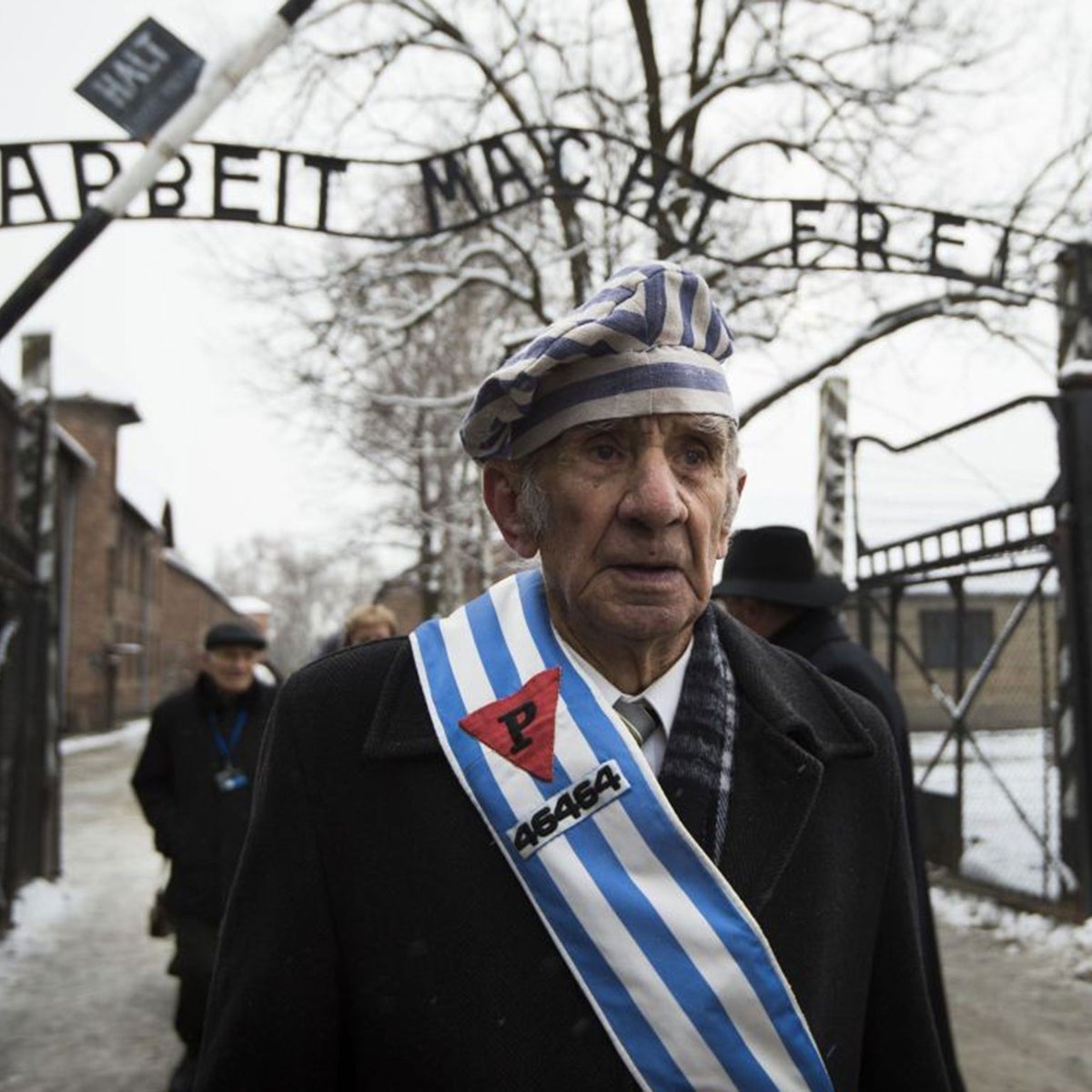
When the world was engulfed in terror, and death surrounded them on all sides, there were those who survived.
Not because they were stronger, or luckier, but because somehow, deep within them, a flicker of hope refused to die.
Their voices today are sacred. They are the living memory of all who were silenced.
These are the voices of survivors — the children hidden in cellars, the teenagers who escaped death marches, the men and women who emerged from the gates of Auschwitz, Dachau, Bergen-Belsen, and Majdanek.
They carried the memories of the lost, the courage of the saved, and the eternal warning for future generations.
Elie Wiesel, a young Jewish boy from Sighet, Romania, survived Auschwitz and Buchenwald. His words echo across time:
- “For the dead and the living, we must bear witness.”
- “To forget would be not only dangerous but offensive; to forget the dead would be akin to killing them a second time.”
Primo Levi, an Italian Jew and chemist, endured the horrors of Auschwitz. He wrote:
- “Monsters exist, but they are too few in number to be truly dangerous. More dangerous are the common men, the functionaries ready to believe and act without asking questions.”
Eva Mozes Kor, a Romanian-born twin who survived Josef Mengele’s experiments at Auschwitz, later said:
- “I have the power to forgive. Forgiveness is a seed for peace.”
Vera Schiff, a Czech survivor of Theresienstadt, recalled:
- “We lived day by day. We hoped against hope. Each morning, we said to ourselves, ‘I made it through one more night.“
Livia Bitton-Jackson, Auschwitz survivor:
- “We were not numbers. We were human beings with names, dreams, families. They tried to erase us, but we survived to speak.”
Roman Kent, who survived several camps including Auschwitz, gave this simple but powerful plea:
- “We must never be silent. We must teach love, not hate. Never again.”
Semyon Rosenfeld, Ukrainian Jew Sobibor survivor:
- “We fought because we had to. Because if we didn’t resist, we were already dead.”
- “When I ran from that place, I felt like I was running from hell itself. But I never stopped telling the truth of what I saw.”
Each quote is not only a memory — it is a cry to humanity, but a torch also passed from trembling hands to ours.
It is a call to remember not just the cruelty, but the resilience, the unbreakable human will to live, to dream, to love even when surrounded by hatred.
These survivors did not live for themselves alone.
They lived — and spoke — so that the world might never forget.
80 Years Later – Why We Must Remember
May 8 and May 9, 1945, is more than a day of victory. It is a day of memory and mourning, of honoring sacrifice, and of protecting truth.
Millions perished. Millions fought. Millions survived and rebuilt.
It is a living memory of sacrifice.
A warning. A lesson. A promise.
Let us honor:
The soldiers who gave their lives.
The resistance fighters who risked everything.
The survivors who still carry the weight of memory.
The liberators who opened the gates of hell and bore witness.
The children who never had a future.
The voices that still cry out: “Never again.”
Never Again. Never Forget.
Peace must be protected. Truth must be preserved.
History must not be rewritten to serve politics or pride.
Peace was won with blood.
Truth was written in the ashes.
Let no one erase it.
We owe it to every life lost to remember, to speak, and to honor their legacy.
If you would like to contribute to my blog, you can please do so here
Connect with me on Social Media:
Discover more from Suitcase Travel Blog
Subscribe to get the latest posts sent to your email.
 Suitcase Travel Blog
Thank you so much!
LikeLiked by 1 person
Thank you!
LikeLiked by 1 person
A comprehensive reminder of the horrors of WWII. And yet, we seem to not remember. Maggie
LikeLiked by 2 people
I think this is very important day and history to remember for everyone. Thank you Maggie.
LikeLiked by 1 person
AMEN
LikeLiked by 1 person
Amen
LikeLiked by 8 people
Powerful, Angela. This must have been hard to put together. It is worthy testament and important because soon there will be no one left alive who remembers even the aftermath. Thank you.
LikeLiked by 1 person
It was a big job and deep research. I was crying a lot while I was working on the post. You’re right—not many people still alive who witness all of these things, but I think it’s very important to talk about it. Never Forget.
LikeLiked by 1 person
Lest we forget.
LikeLiked by 1 person
Never Forget
LikeLike
Wow, this is an incredible tribute. Heart-breaking and inspiring at the same time because you’re right, “even when hatred ruled, humanity never fully surrendered.” At least, that’s what I like to think. We have to hope that good can come from even the most awful, unimaginable horror, so that we can remember and honour all those who suffered and keep love and hope in our hearts no matter what.
When I hear talk of possible “WW3” now so flippantly, like it’s nothing, and I see my own UK leadership leading us closer to war, it makes me sick.
A fantastic post. Never forget
🌹
LikeLiked by 1 person
Thank you so much for your powerful words. I completely agree—holding onto hope and humanity in the face of horror is essential, not only to honour those who suffered but also to guide how we respond to the world today. Talking about war and the carelessness of some leaders is really alarming, especially knowing what history has already shown us. We have a responsibility to remember, to speak up, and to choose kindness over conflict. I truly appreciate your reflection.
Thanks again.
Never Forget 🌹
LikeLiked by 1 person
Wow. Just wow. Beautifully presented Angela, thank you.
LikeLiked by 1 person
Thank you very much for appreciating. 💗
LikeLiked by 1 person