This post was published first on my Triptipedia Page.
Exploring new places on travel is an exciting and rewarding experience. As travelers, we must keep in mind that every nation and culture has its own distinct set of local traditions and customs. Understanding and following travel etiquette becomes essential for a courteous and enjoyable experience for us and the places we visit.
The term “traveling etiquette” refers to a wide range of social rules, including proper greetings, following local dining traditions, dressing modestly, and practicing responsible tourism. It serves as a bridge between cultures, allowing us to truly connect with people in a genuine way.
Planning a trip?
I’ve put all essential dining rules in one place here.
I would like to continue talking about the rules of behavior, and today I would like to start a new series of posts about “Travel etiquette”, which is absolutely essential to know.
In this post, I would like to cover the various aspects of travel etiquette, as well as provide you with helpful tips and advice on how to gracefully deal with cultural differences.
Knowing these tips can enhance your experience regardless of whether you are an experienced traveler or planning your first adventure.
While traveling etiquette can vary from country to country, there are several general rules that might be a good beginning for any traveler to start.
Here are Guidelines to Keep in Mind:

Respect Local Customs: Before visiting a new destination, take the time to familiarize yourself with the local customs, cultural traditions, and social norms. This includes understanding appropriate greetings, gestures, and forms of address. Being respectful and mindful of cultural differences shows that you value and appreciate the local culture.
Dress Appropriately: When visiting places of worship or conservative neighborhoods, choose your clothes carefully. Research the local dress code and comply with it by dressing modestly. The weather is also important to take into consideration because certain regions could have specific clothes and grooming standards.
Learn Basic Local Phrases: Making an effort to learn a few key phrases in the local language can significantly help in building connections and reducing communication barriers. Simple greetings, “thank you”, and “please” are always appreciated and could help you get along with locals.
Be Mindful of Personal Space: Personal space varies across cultures. Some societies value a greater physical distance than others. When engaging with locals, be mindful of body language signs and respect each other’s personal space.
Engage in Responsible Tourism: As tourists, it is our duty to reduce the environmental impact, protect wildlife, and assist local communities. Avoid littering, buy locally to support the regional economy, and use eco-friendly products.
Adapt Dining Etiquette: Different cultures have different dining traditions. Take the time to learn proper table manners, like using utensils correctly or dining with your hands, if that’s the norm. Familiarize yourself with local dining customs like tipping practices, sharing food, or waiting for others to begin eating before starting your meal.
Be polite and courteous: Always be polite and courteous to fellow travelers, hotel workers, and airline staff. It’s always best to use “please” and “thank you” especially when making requests.
Be mindful of your noise level: When traveling, it’s recommended to keep noise levels down in public spaces or hotel hallways, so as not to disturb others.
Be punctual: Whether it is a plane, train, or tour group, it is essential to be on time. Being late can cause inconvenience to others and may result in missed opportunities.
Many people consider traveling to be the best part of their life. I absolutely agreed, because it always leaves remarkable memories and positive emotions. However, if people act inappropriately, even a dream vacation is easy to spoil.
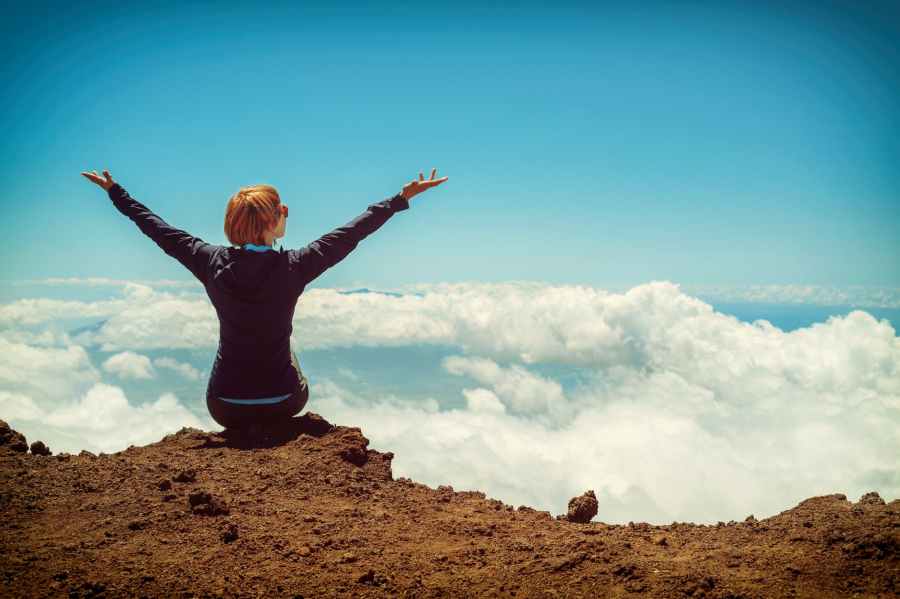
Plan Your Trip and Find All Information You Need
Plan your trips and learn more about your destinations. Learn as much information as possible about the place you visit. This will help to avoid wasting someone else’s time by asking thousands of unnecessary questions.
Book your room in the hotel or pre-purchase tickets for the museum or guided tour ahead of time if needed or reserve a table at the restaurant you want to visit.
Be Patient
Keep in mind that you are not alone and there are several hundreds of other tourists roaming in the city. Do not rush or push people in front of you.
Also, you are not the only one who wants to take a picture of the beautiful scenery or events, or art pieces. Wait your turn and say thank you if someone steps out of the photo frame or changes direction and allows you to get a good photo. Politely offer your help to take a picture of the group of people or the whole family.
Do not make photography of other people, especially someone children, without asking their permission. This is not acceptable.
Cultural Etiquette & Rituals Collection
Understand customs, avoid common mistakes, and feel confident in unfamiliar settings.
Do Not Delay Other People
It is significant to maintain a dynamic mode in congested and active areas. After getting the information you needed from the info center or taking a good photo, you should move on to avoid blocking other tourists who are trying to do the same thing. Keep your temper under control. Do not rush other travelers or the employees who are assisting them.
Do Not Be Angry
Remember a positive attitude is your choice. Do not let a single incident spoil the entire day, even if someone was rude or you missed the photo of beautiful scenery. Try to forget about it as soon as you can, because focusing on it might ruin your whole trip and prevent you from fully embracing the beauty and wonders of your destination. Instead, choose to let go of negativity and refocus on the positive aspects of your journey.
Take Time to Reflect and Connect
Traveling can be a life-changing experience, offering opportunities for personal growth and self-reflection. Take moments to pause, observe, and get to know the true spirit of the places you visit. These moments will allow you to truly immerse yourself in the journey and strengthen your emotional connection with each destination.
Use Common Sense
Use common sense when traveling. For example, if you are a solo traveler, avoid walking alone in dark or unfamiliar areas. Keep your valuables locked in safe places.
Be Aware of Your Surroundings
When traveling, it’s important to stay alert. Always pay attention to your surroundings when traveling, especially in crowded areas.
In conclusion, traveling is more than just ticking off popular destinations from your bucket list. It is about fostering a deeper understanding, greater appreciation, and connection with the world. It’s diverse cultures.
Your journey will be more meaningful and enjoyable if you practice good travel etiquette and stay emotionally connected to your experiences.
In general, the unwritten etiquette code is pretty straightforward.
The golden rule is
“Treat others with respect the same way you want to be treated.”
Have a wonderful trip!
The post “Traveling etiquette: Transportation” will be published next Monday.
If you would like to contribute to my blog, you can please do so here
Connect with me on Social Media:
Discover more from Suitcase Travel Blog
Subscribe to get the latest posts sent to your email.


All very excellent advice. It’s a long time since I travelled but when I did one thing that really annoyed me was tourists who complained that they were not able to get the awful fast food they had at home. Sampling local food is half the fun! I also didn’t like that tourist groups tended to get in the way of people going about their lives, such as in a market place. I was never comfortable bargaining for merchandise. Where I knew it was expected I would offer a lower price and then settle for whatever was suggested next. I had companions who went back and forth at length. One time in Burma the seller said to my friend “You have so much in America. Here we have nothing.” He was not being nasty and what he said, in perfect English was exactly right. The other thing was that tourists sometimes seemed to be taking photographs of “those strange people” as if they were a different species. It is not polite photographing people unless you ask. And you are right about doing research before you go. As always, you have the best advice!
LikeLiked by 2 people
Thank you very much Carolyn!
I agreed with everything what you said.
a) trying food in other countries it is fun and part of exploring. I try almost everything, but I also do good research
b) bargaining is not my thing at all 😀 can’t do it. And at places like Burma I wouldn’t feel uncomfortable to ask for discount.
c) it is very rude to take a picture of person without asking. Sometimes I take photos of street or building and noticed that people cover their face. Not everyone wants to be on someone’s photos.
Thank you for your comment. Next post will be about transportation. I’m so curious what will you say. I even nervous a little 🙂
LikeLike
Ha! Well I am very out of touch with the industry so I would follow your advice for sure!
LikeLiked by 1 person
Thank you! 🙂
LikeLike
I updated my post and added paragraph about photography. It was good point. Thanks!
LikeLike
Such great advice that unfortunately still needs to be worked on by many. Good work. Maggie
LikeLiked by 1 person
Thank you very much Maggie!
I started this etiquette series and it pretty hard job I can say🙂 I did so much research. But I believe it’s good refreshments for experience travelers as well as for new tourists. Just trying to be useful
Thanks again!🙋
LikeLiked by 1 person
A great post Angela. So many people act like they do at home (where their actions can also be inappropriate) from the British traveler berating a Tokyo subway attendant because his card won’t work to the Americans complaining because the Japanese hotel clerk does not understand English. One item that should go into the Respect person space category would be know what and who you can and can’t photograph. Many cultures do not like their photos being taken and it is always best to ask first and shoot later. Thanks for discussing this important topic. Allan
LikeLiked by 1 person
Thank you very much for your comment, Allan . I absolutely agree with you! We must respect other culture and country. Also we have to remember that we represent our home country and we should leave good impression.
LikeLike
I updated my post and added paragraph about photography. It was good point. Thanks!
LikeLiked by 1 person
Solid advice! Researching local customs is half the fun for me!
LikeLiked by 1 person
I love to do research. This is very exciting time for me🙂
LikeLike
Some useful tips here Angela. There is plenty here that people need to learn as we have experienced time and time again.
LikeLiked by 1 person
That’s true.
This is why I started this series.
I believe that etiquette is very important to know.
Have a great weekend!
LikeLiked by 1 person