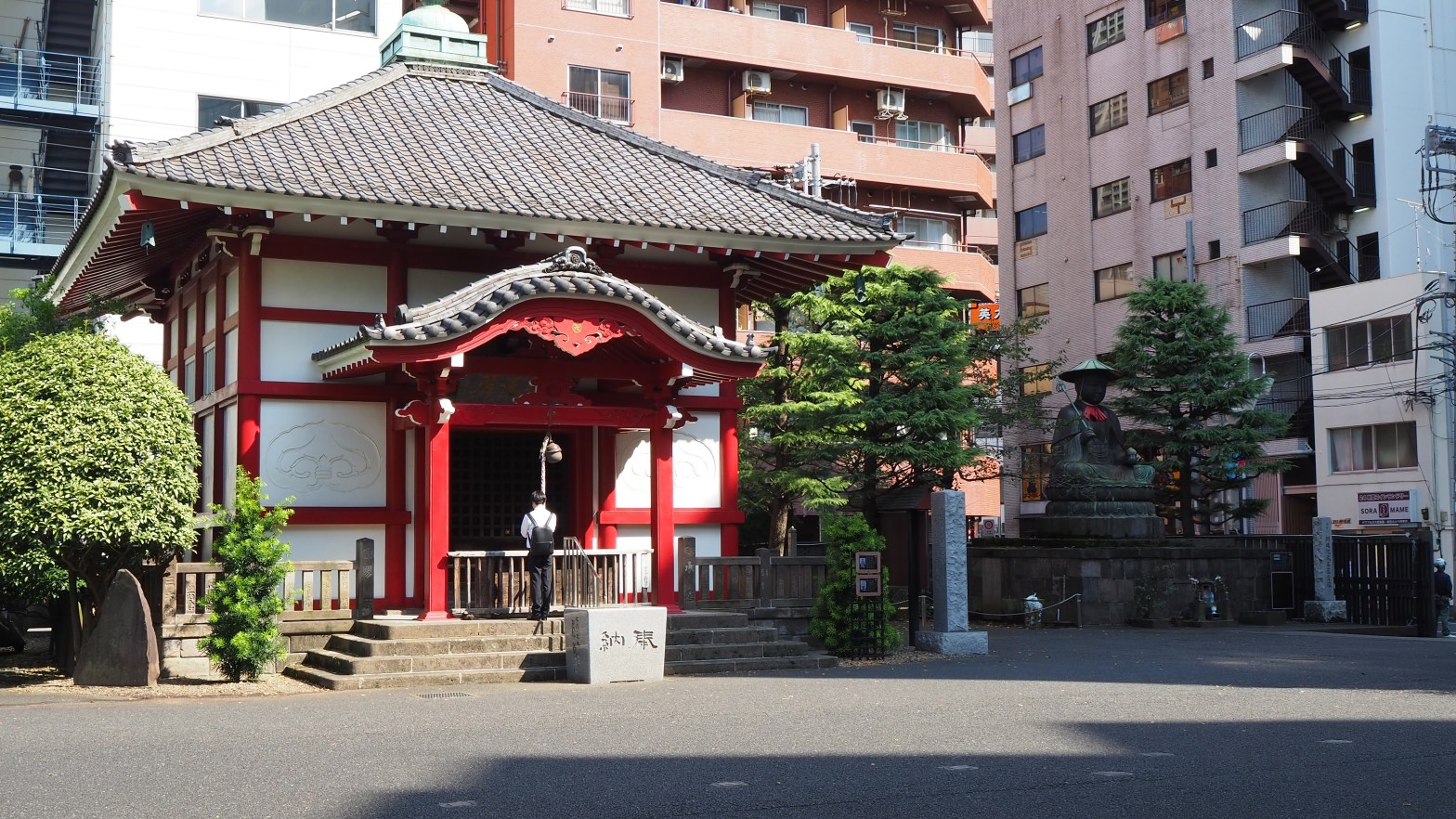

When I first visited a Japanese cemetery, I was amazed by how peaceful and unique it seemed compared to cemeteries throughout the world. It radiates a unique harmony—a blend of nature, spirituality, and tradition. Towering wooden planks, known as sotoba, stood silently behind stone graves, their carved inscriptions seeming to whisper ancient secrets. I couldn’t help but wonder—what do they mean?
The Stories Behind Sotoba
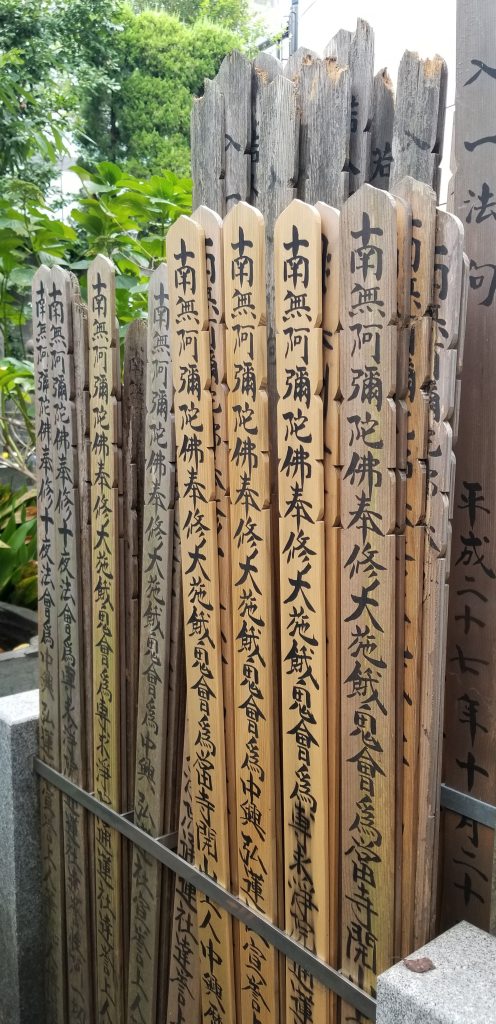
These wooden planks are more than decorations; they’re spiritual messages.
Their origins trace back to Buddhist stupas, with each plank symbolizing the five elements—earth, water, fire, wind, and void—that make up the universe. Adorned with prayers and the deceased’s posthumous name in delicate calligraphy, these wooden markers serve as bridges between the worlds of the living and the departed.
Each sotoba carries a story. Families place them during memorial rituals, marking anniversaries and milestones, ensuring their ancestors are remembered and honored. The sight of these planks echoes Japan’s reverence for heritage and continuity.
A Cemetery Like No Other
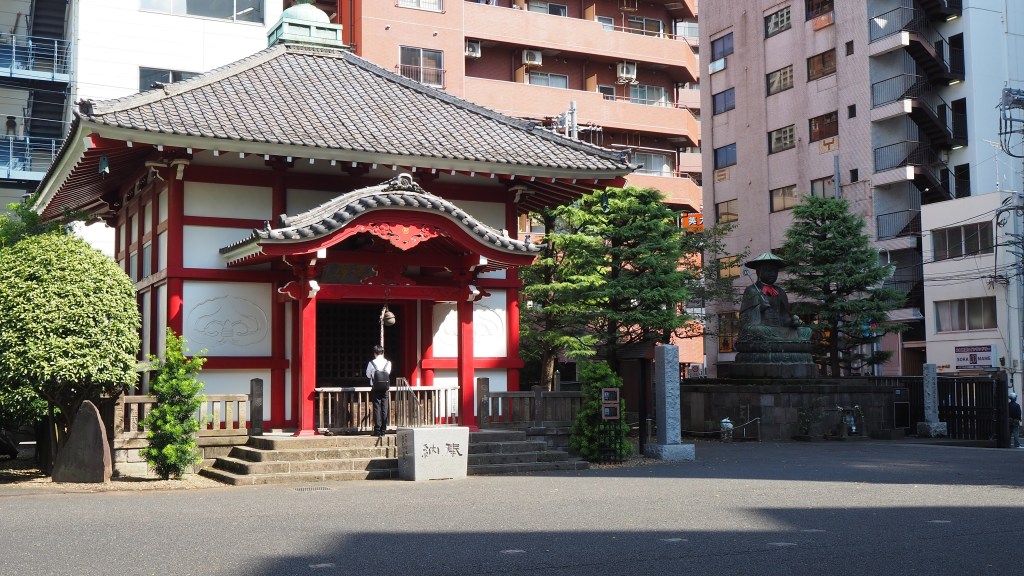
Japanese cemeteries are not just places of rest; they are vibrant spaces alive with meaning and tradition. Families visit not only to grieve but also to reconnect with their roots and preserve a sense of continuity. Designed with a profound appreciation for space and nature, these cemeteries often occupy breathtaking locations—against lush hillsides or near tranquil temples. Family plots, though modest in size, are carefully arranged and offering serene views of nearby temples. These tranquil settings create an atmosphere of peace and respect, embodying the Japanese values of respect for the past and the beauty of simplicity.
In this environment, the past and present merge seamlessly, embodying Japan’s cultural ethos of simplicity and respect.
Omamori – Protection, Luck & Meaning
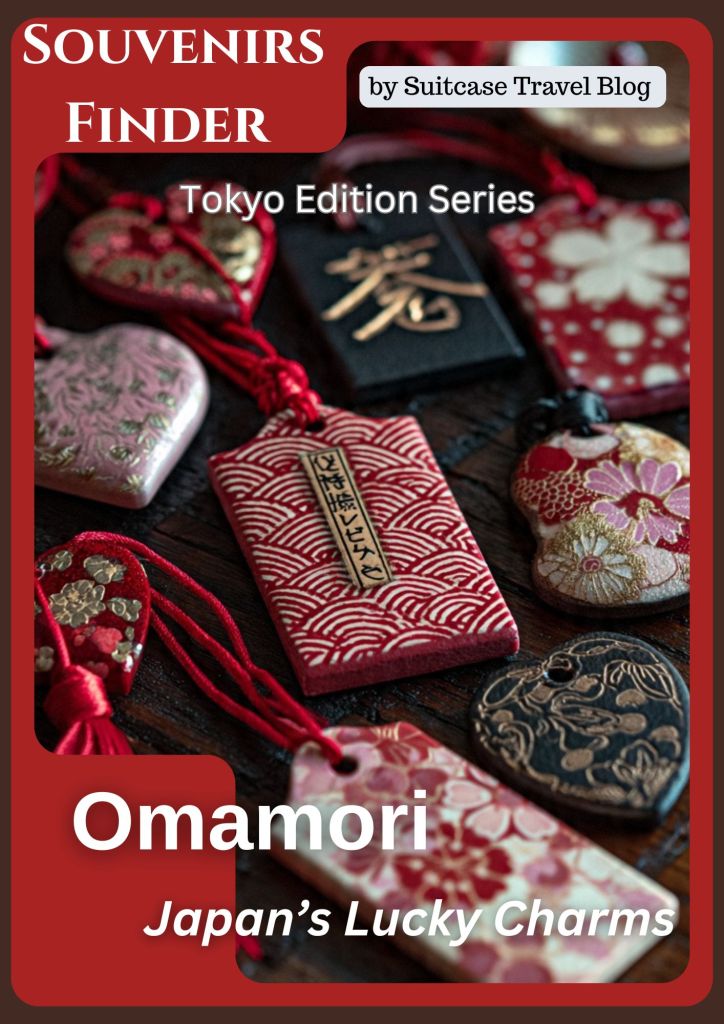
A Simple cultural guide to Japan’s sacred protective charms – types, meanings, usage, and where to find authentic omamori at temples and shrines in Tokyo.
Instant PDF download – Printable & Mobile-friendly – Tokyo map included
A Whisper of Legends

Some cemeteries even hold captivating legends. One such tale speaks of a young woman who, in her grief, prayed daily at her family’s ancestral plot. Moved by her devotion, a cherry tree nearby began to bloom year-round, symbolizing eternal love and connection. Such stories lend an air of mysticism to these sacred spaces, inviting visitors to ponder the thin veil between life and death.
Why It Stays With You

In Japanese culture, death is not seen as a final separation but as a continued relationship between the living and the deceased. The sotoba and other rituals embody this philosophy, blending spirituality and tradition in a deeply meaningful way.
If you ever get the chance to wander through a Japanese cemetery, pause for a moment. Observe the sotoba, notice the little details, and listen to the quiet whispers of history and love. You might just find yourself looking at life—and death—a little differently.
Suitcase Travel Shop
A growing collection of cultural travel printable and smart travel tools.

A growing collections of travel printable and smart tools focused on cultural etiquette, meaningful souvenirs, and thoughtful travel experiences – designed for curios, respectful travelers.
Travel Planning in Asia
Book Trains, Buses, Ferries, Transfers & Flights

If you would like to contribute to my blog, you can please do so here
Connect with me on Social Media:
Discover more from Suitcase Travel Blog
Subscribe to get the latest posts sent to your email.
 Suitcase Travel Blog
A much more healthy way to deal with death. I think we could learn a lot.
LikeLiked by 1 person
I think so too. Simple but very spiritual.
LikeLike
It does seem like a better way to think about losing someone. Maggie
LikeLiked by 1 person
Yes. It looks a very peaceful way and spiritual one. I agree.
LikeLike
Love how the Japanese can simplify so beautifully/
LikeLiked by 1 person
Yes. I agree with you. Very unusual
LikeLike